NVIDIA GeForce Digital Experiences

Designing responsive product, software, launch, and technical-information experiences within NVIDIA’s established GeForce design system.

Role
Visual Designer
Timeline
April–June 2017 · 3 months
Team
  • Project Manager
  • Copywriter
  • Full-Stack Developer
  • Creative Partners
Deliverables
  • GeForce Homepage
  • GeForce Experience Product Page
  • GeForce GTX 1080 Ti Launch Page
  • GeForce System Requirements Page
  • Desktop, Tablet and Mobile Layouts
  • Email Campaigns, Site Skins and Display Advertising
  • Production-Ready Responsive Assets

Overview

I designed responsive digital experiences for NVIDIA GeForce, including the GeForce Homepage, GeForce Experience product page, GeForce GTX 1080 Ti launch page and GeForce System Requirements page.

Each experience addressed a different user need—from discovering GeForce products and software to understanding hardware compatibility and exploring a flagship graphics card. My work focused on clear content hierarchy, engaging product storytelling and consistent responsive behavior across desktop, tablet and mobile.

The projects were completed within NVIDIA’s established design system, page framework and content patterns. My role was to apply and extend those foundations across product, campaign and technical-information experiences while maintaining consistency throughout the broader GeForce ecosystem.

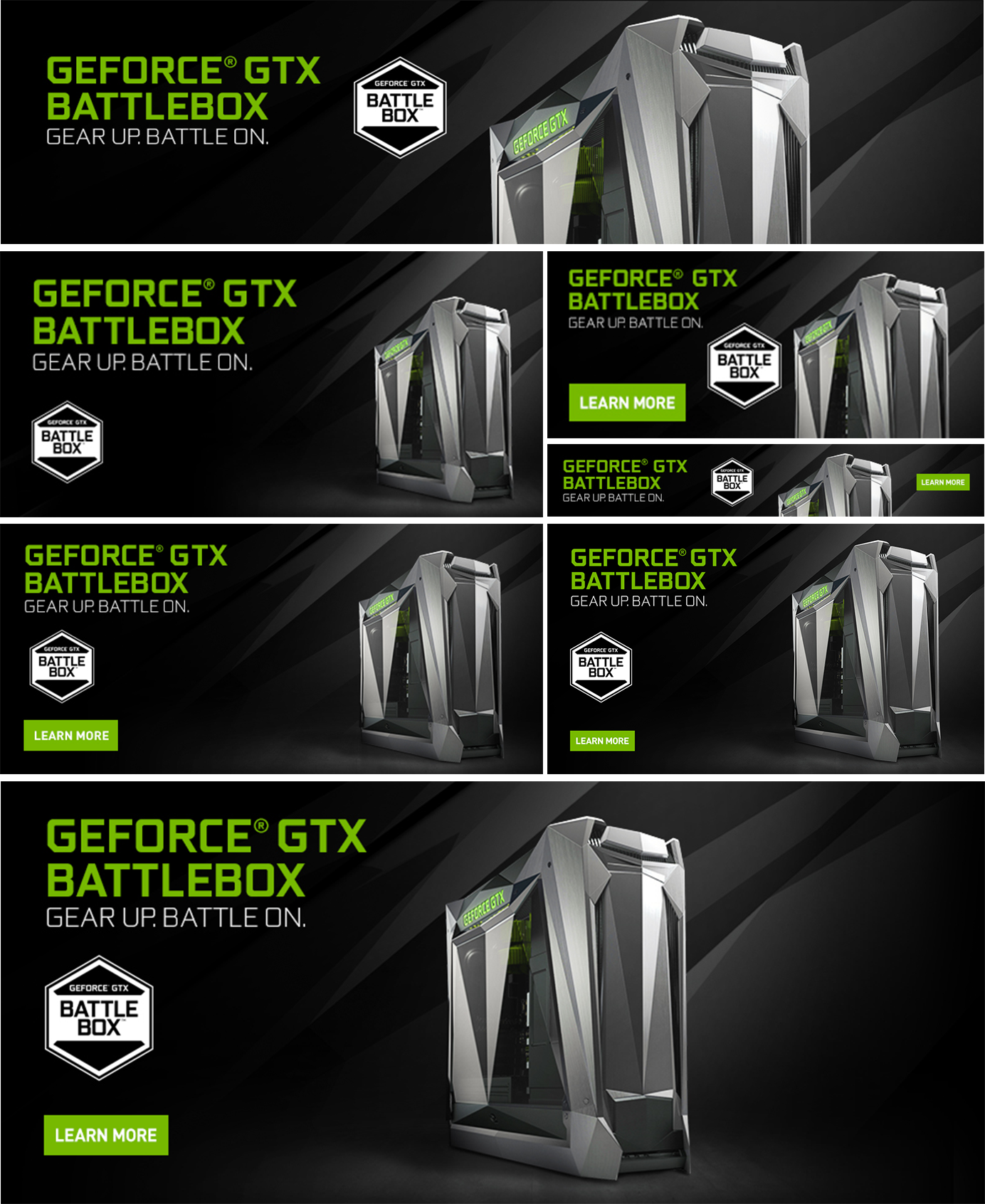
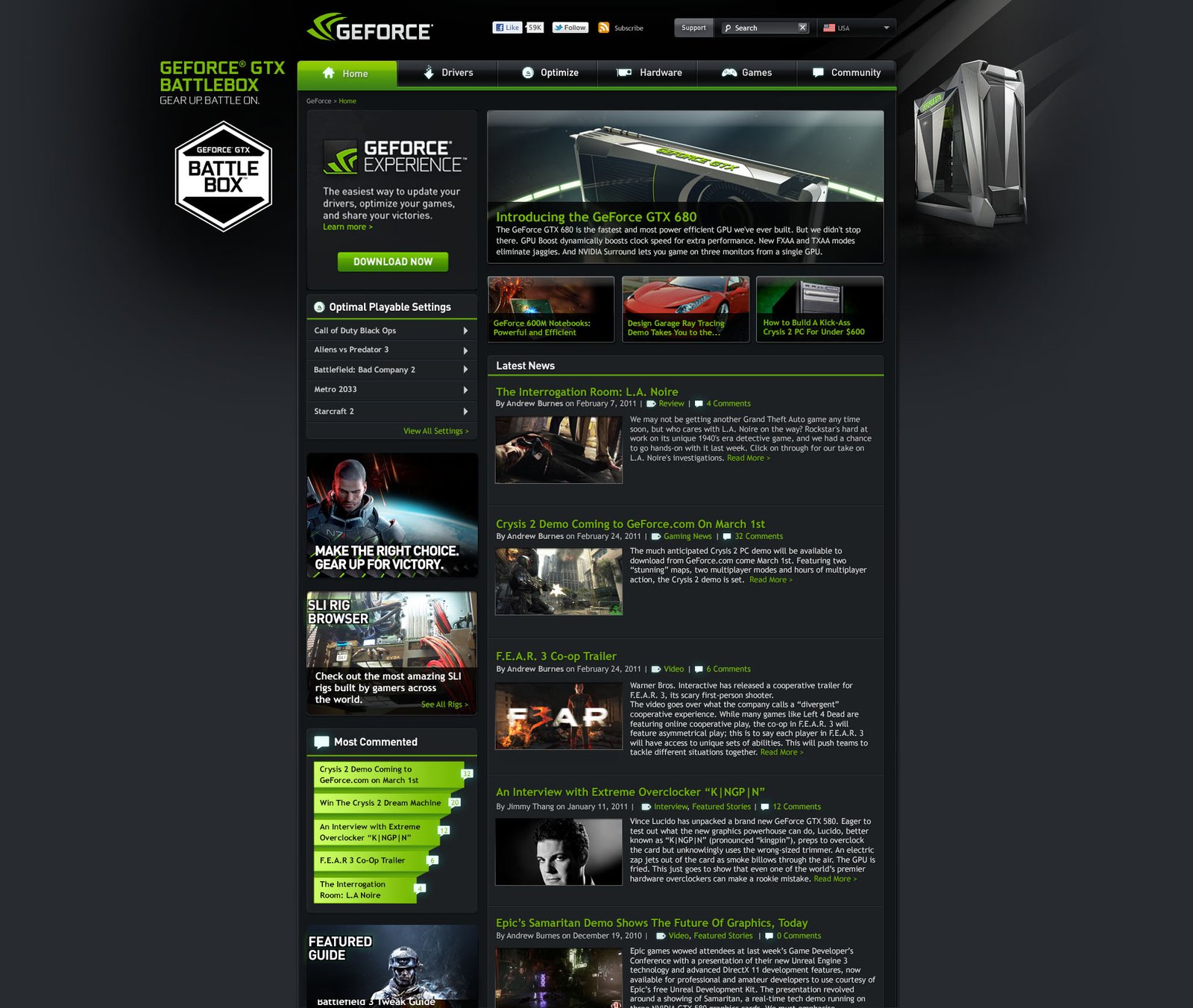
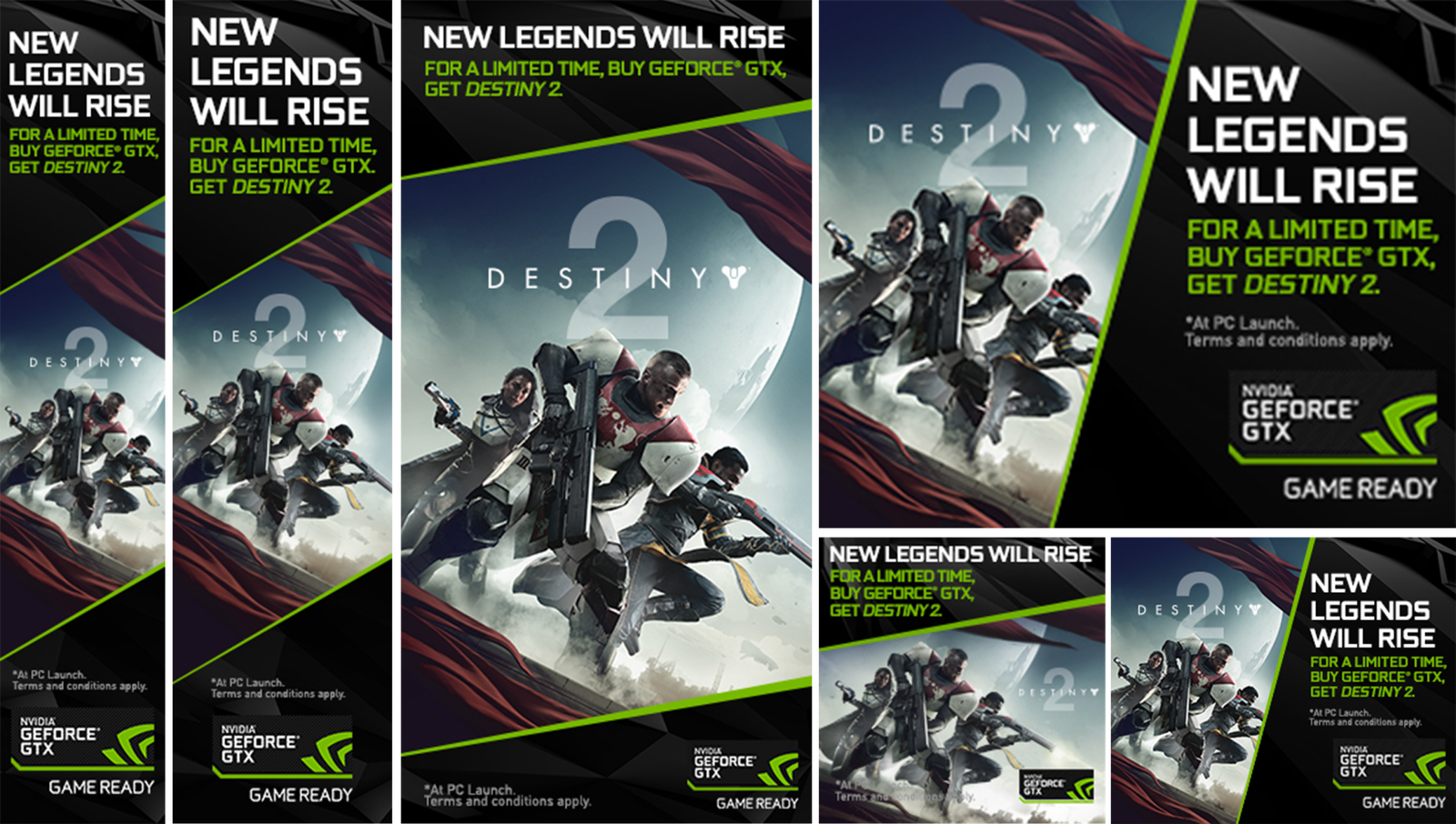
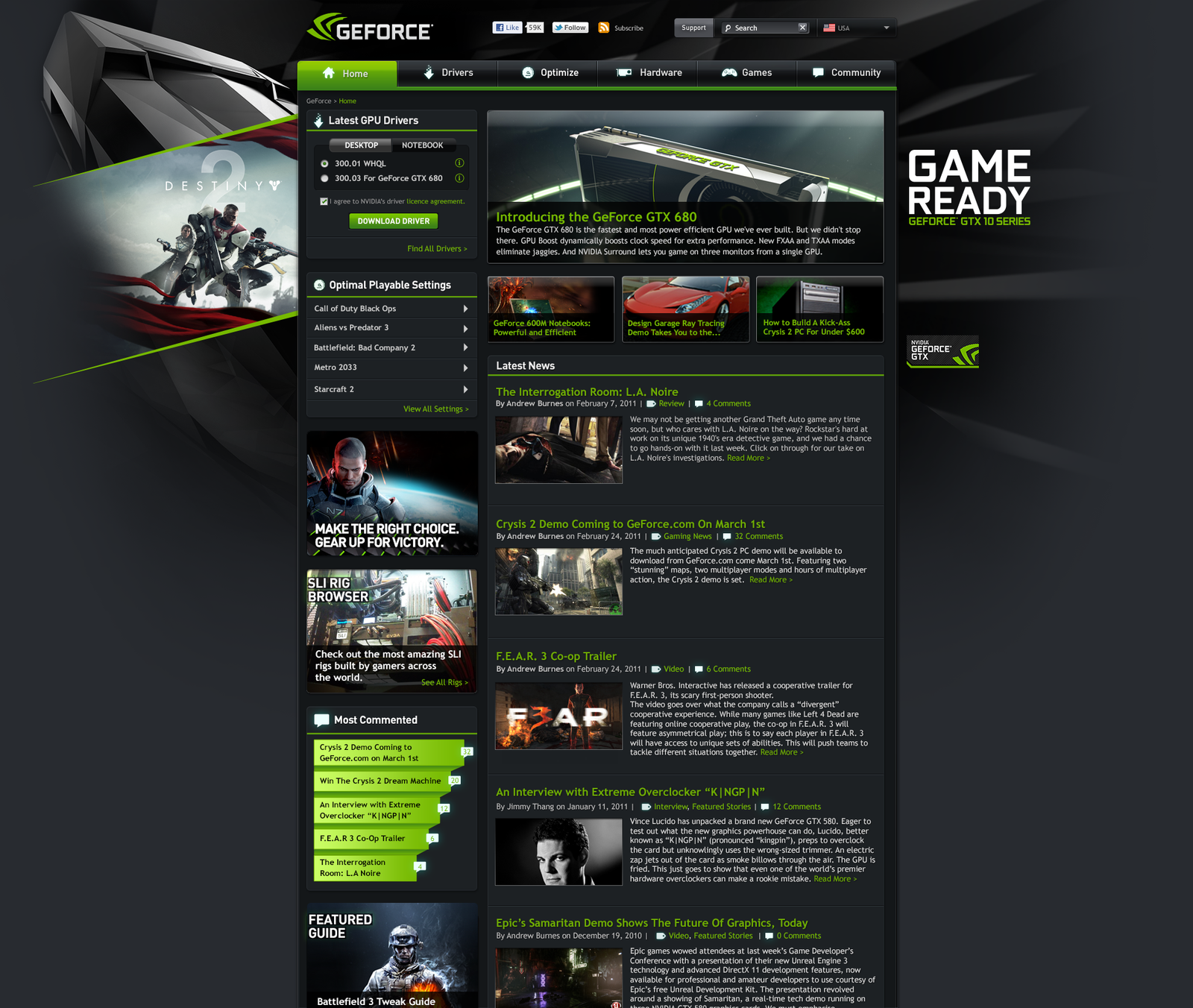
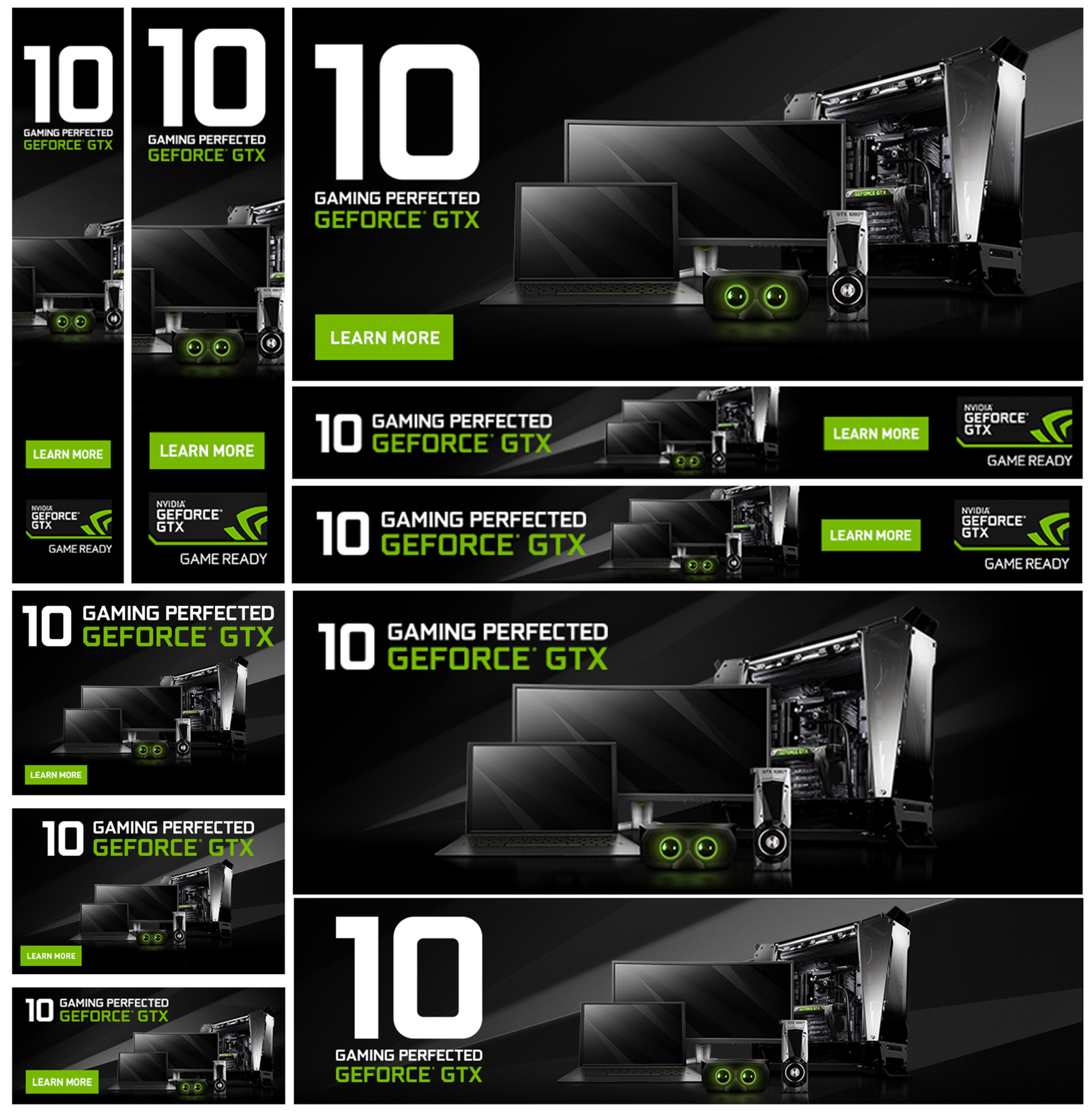
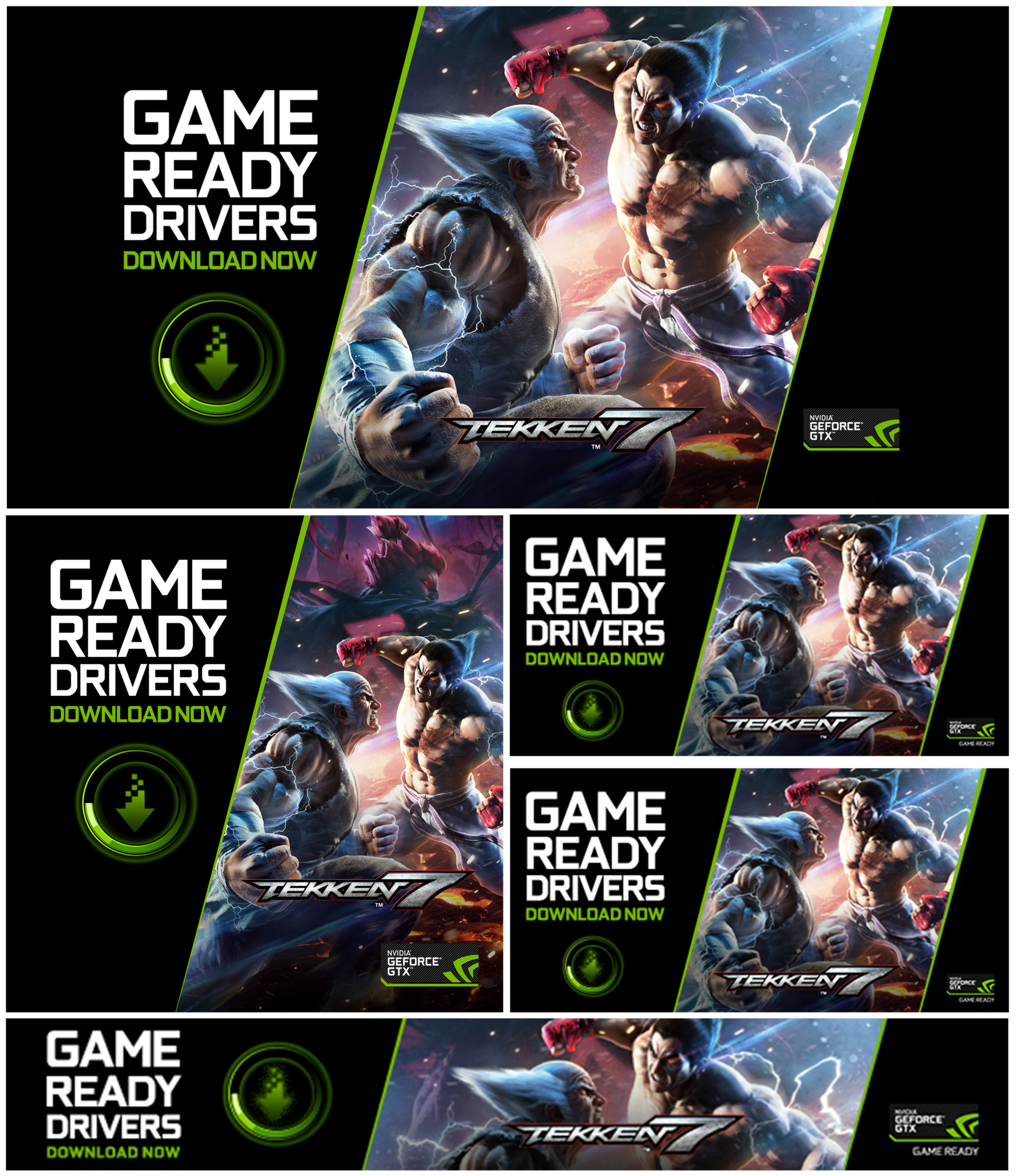
I also adapted the visual direction into supporting campaign materials, including email, site skins, display advertising and gaming-partnership promotions.

Problem

NVIDIA’s design system, component library and page framework were already established. The challenge was to apply those foundations effectively while adapting content, imagery, hierarchy and responsive behavior to the purpose of each page. The designs needed to:
  • Maintain consistency across multiple GeForce products and experiences
  • Communicate technical product benefits clearly and accessibly
  • Establish clear pathways toward products, downloads and supporting resources
  • Adapt content hierarchy, imagery and typography across responsive breakpoints
  • Apply NVIDIA’s established design system while giving each page a distinct purpose and visual identity

What I Did

I designed the UI and visual execution across multiple GeForce web experiences, translating approved content, technical requirements and campaign objectives into responsive, production-ready layouts.

Because the core design system, page framework and content patterns were already established, the projects did not require a traditional discovery or low-fidelity wireframing phase. I worked directly within those foundations, concentrating on visual hierarchy, responsive composition, component application, product storytelling and production execution.

My responsibilities included:

  • Designing the responsive GeForce Homepage
  • Designing the GeForce Experience product and feature page
  • Creating the GeForce GTX 1080 Ti product-launch experience
  • Organizing technical content for the GeForce System Requirements page
  • Applying established components while establishing clear content hierarchy and user pathways
  • Adapting imagery, typography, spacing and content order across desktop, tablet and mobile
  • Extending visual directions into email, site skins, display banners and promotional assets
  • Preparing production-ready assets and collaborating with project management, copywriting, development and creative partners

Solution

I created a consistent responsive design approach that supported several types of GeForce experiences while addressing the specific purpose and content requirements of each page.

Using NVIDIA’s established components and content patterns, I organized information into clear product narratives, adapted layouts and imagery across breakpoints, and maintained a cohesive visual language across product, software, launch, and technical-information experiences.

I also extended these visual systems into supporting campaign materials, creating consistency across web, email, site skins, display advertising, and promotional placements.

Selected Responsive Web Experiences

Four responsive experiences designed to support product discovery, software education, flagship product storytelling, and technical compatibility across desktop, tablet, and mobile.

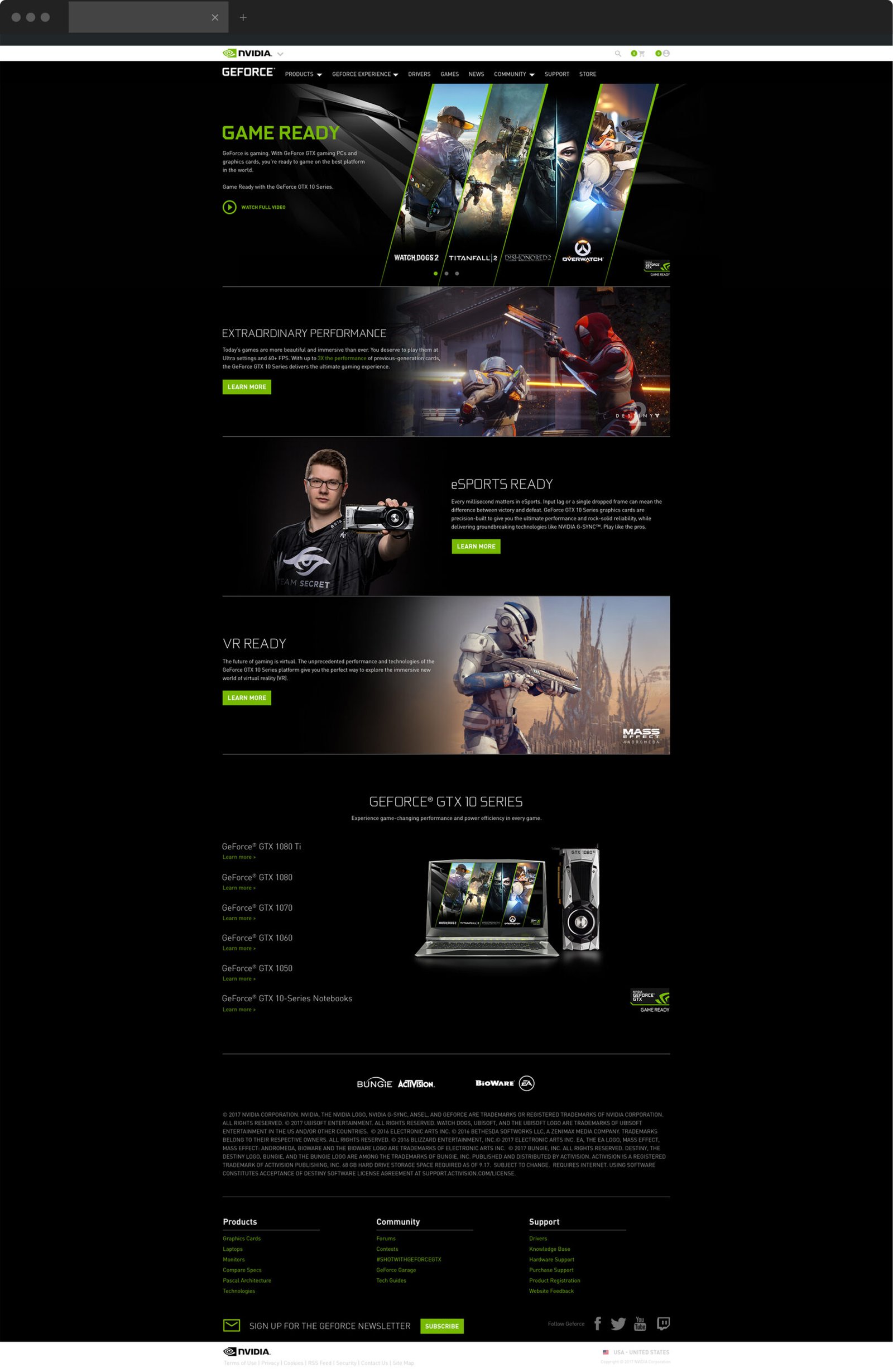
01 — GeForce Homepage

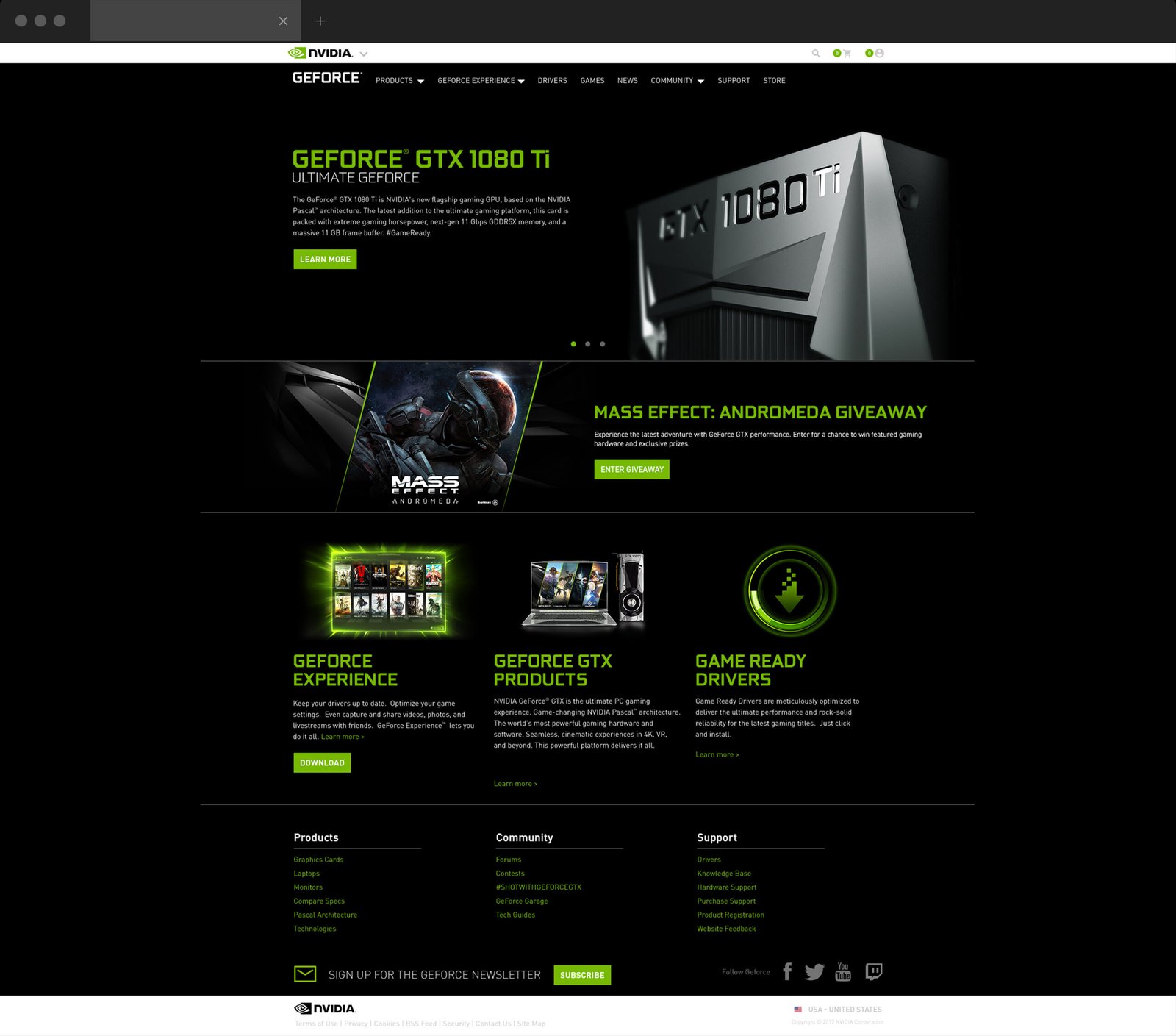
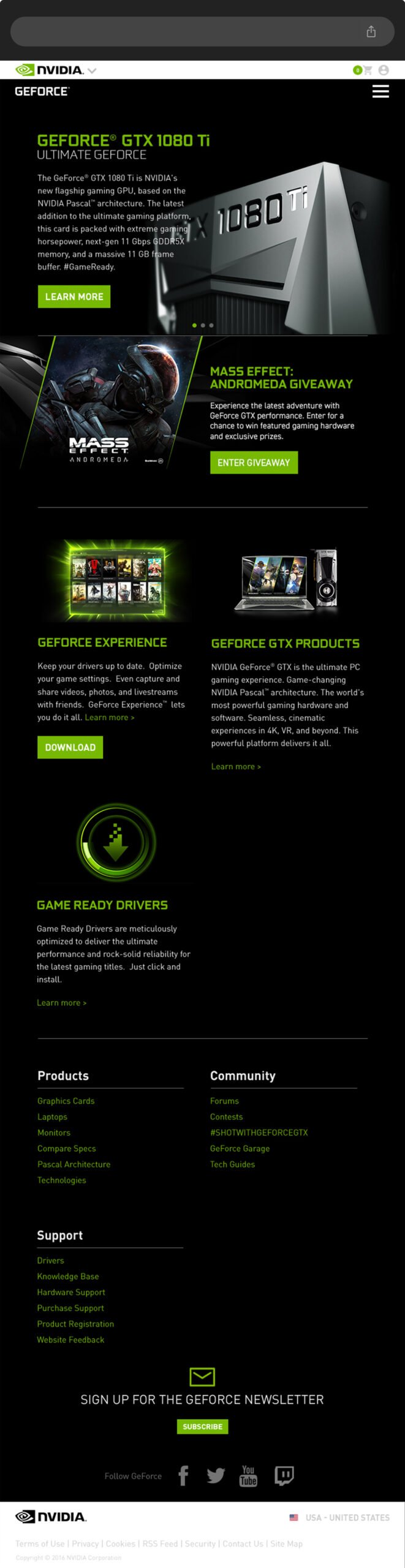
I designed a responsive GeForce homepage that organized product, gaming, driver, and promotional content into clear user pathways. The experience balanced campaign storytelling with discoverability, helping users move toward relevant products, downloads, and supporting resources across desktop, tablet, and mobile.

02 — GeForce Experience Support & FAQ

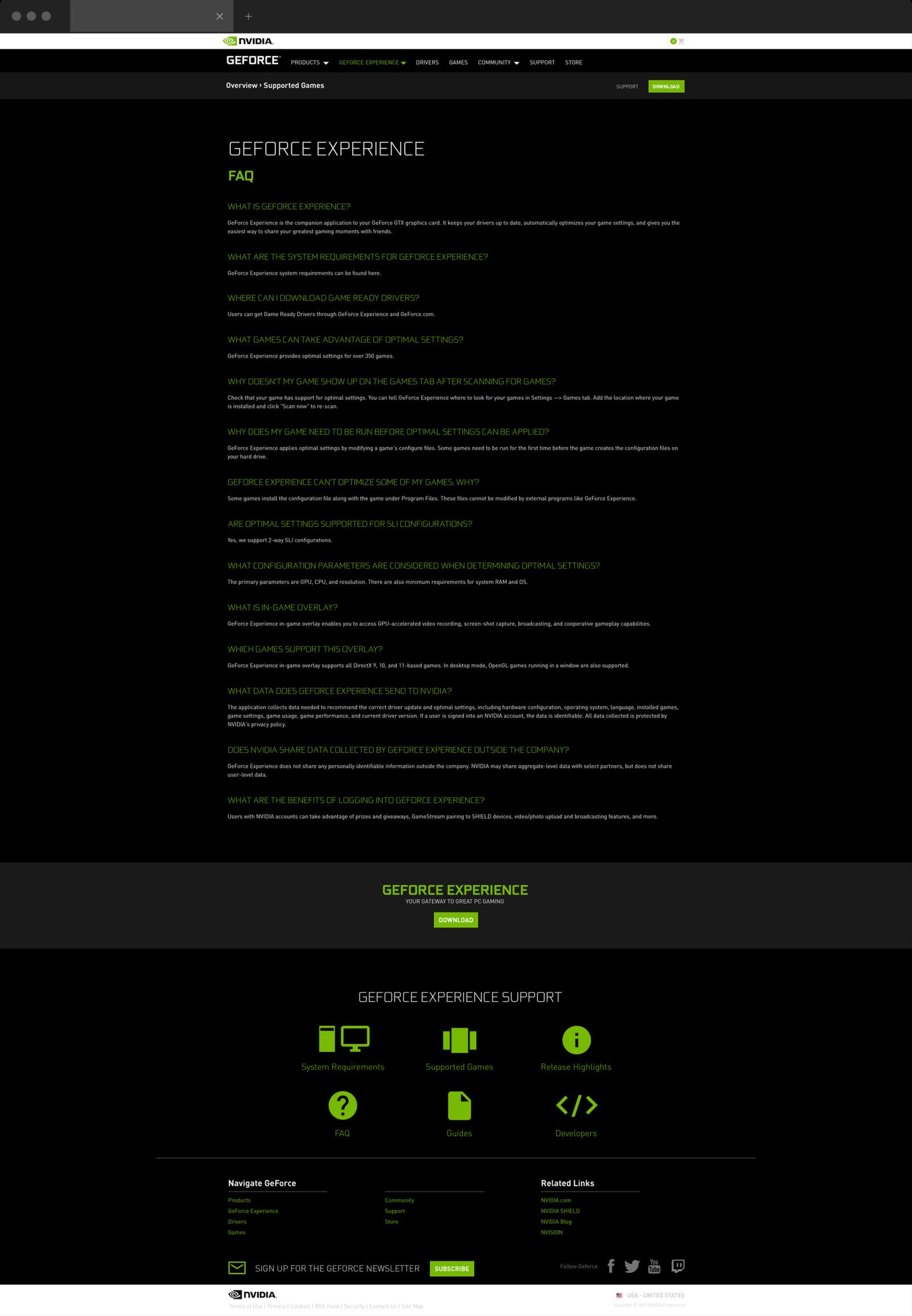
I designed the responsive GeForce Experience support and FAQ page to organize software requirements, compatibility information, common questions, and supporting resources into a clear, scannable experience. The layout helped users locate answers, review supported features, and access downloads or additional support across desktop, tablet, and mobile.

03 — GeForce GTX 1080 Ti

I designed a responsive launch experience for the GeForce GTX 1080 Ti, combining premium product imagery, performance-focused messaging, technical information, and clear calls to action. The visual direction positioned the graphics card as a flagship product while keeping complex hardware benefits accessible to gaming audiences.

04 — GeForce System Requirements

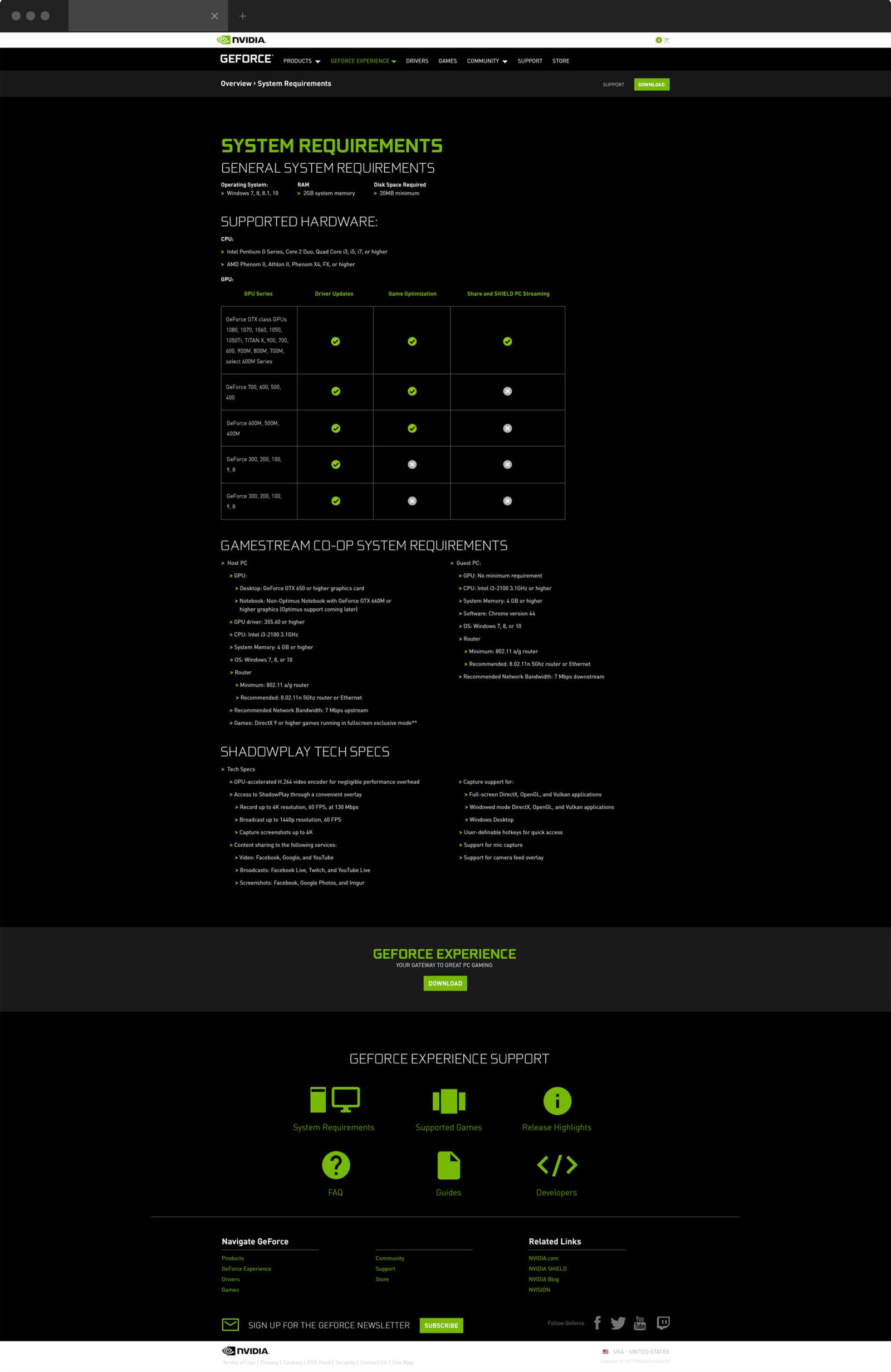
I designed the responsive GeForce System Requirements page to help users quickly understand hardware compatibility and recommended specifications. I organized technical information around clear visual hierarchy, readability, and responsive behavior so users could review requirements across devices without unnecessary complexity.

Impact

The work created a cohesive responsive experience across key GeForce product, software, launch, and technical-information pages while allowing each experience to address a distinct user need.

The layouts were designed to preserve readability, visual hierarchy, and brand consistency across desktop, tablet, and mobile. Clear content organization supported product discovery, software education, system-compatibility review, and access to relevant products, downloads, and supporting resources.

Applying NVIDIA’s established design system across multiple page types created consistency without making every experience feel identical. Each page retained its own purpose, content strategy, and visual identity while remaining recognizable as part of the broader GeForce ecosystem.

Reusable components, page structures, and content patterns also provided a flexible foundation for production across multiple breakpoints and campaign formats. The visual direction could be extended across web, email, site skins, display advertising, and promotional placements while maintaining a unified brand experience.

Reflection

This work strengthened my ability to design responsive digital experiences within an established enterprise design system.

One of the most valuable lessons was understanding that effective UI and product design does not always begin with a traditional discovery or wireframing process. When a mature design system, page framework, component library and content structure already exist, the design challenge shifts toward applying those foundations thoughtfully.

The projects required me to determine how content should be prioritized, how imagery and messaging should adapt across screen sizes and how established components could support different product and campaign objectives. The homepage, software page, product-launch page and technical requirements page each required a different visual and information strategy, but they still needed to feel connected as part of the same ecosystem.

The work also reinforced the importance of designing responsively from the beginning rather than treating mobile layouts as reduced desktop versions. Content order, image cropping, typography, spacing, navigation and calls to action needed to be reconsidered for each breakpoint.

This experience continues to influence how I approach UI and product design today: understand the system already in place, organize complex information around user needs, design intentionally across screen sizes and create flexible visual solutions that remain consistent without becoming repetitive.

Campaign Extensions

The visual systems developed for the GeForce web experiences were also extended into supporting campaign touchpoints.

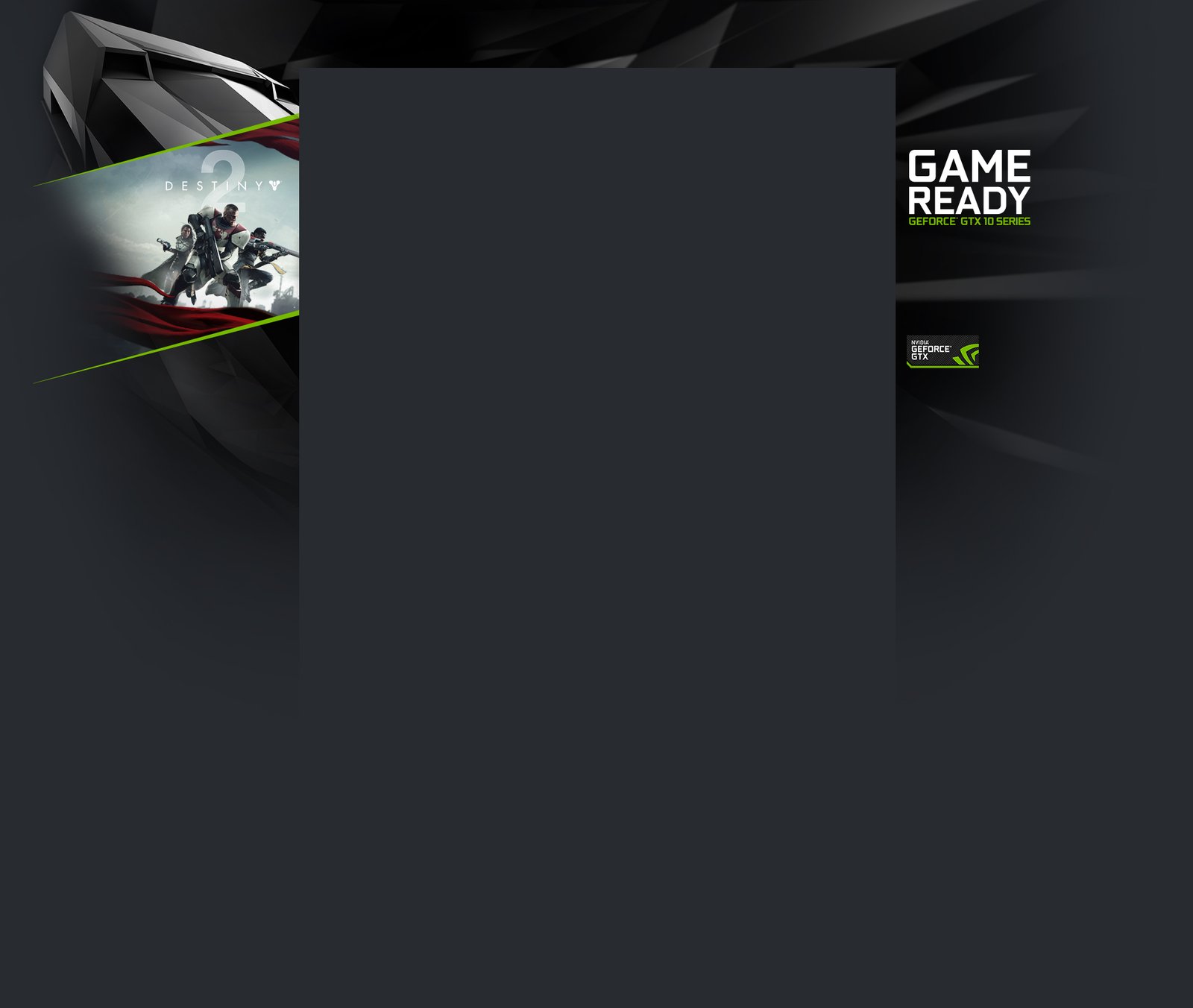
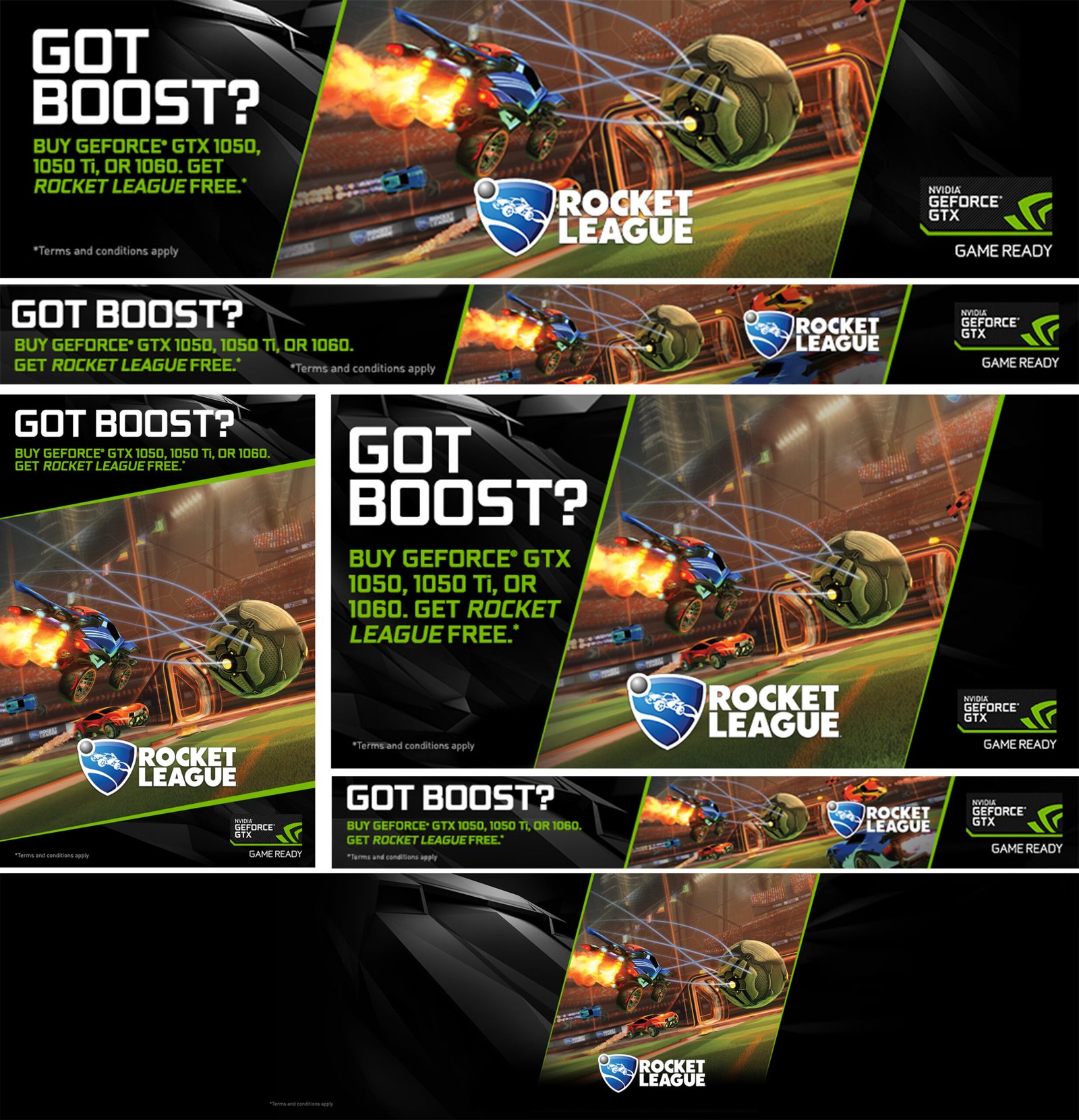
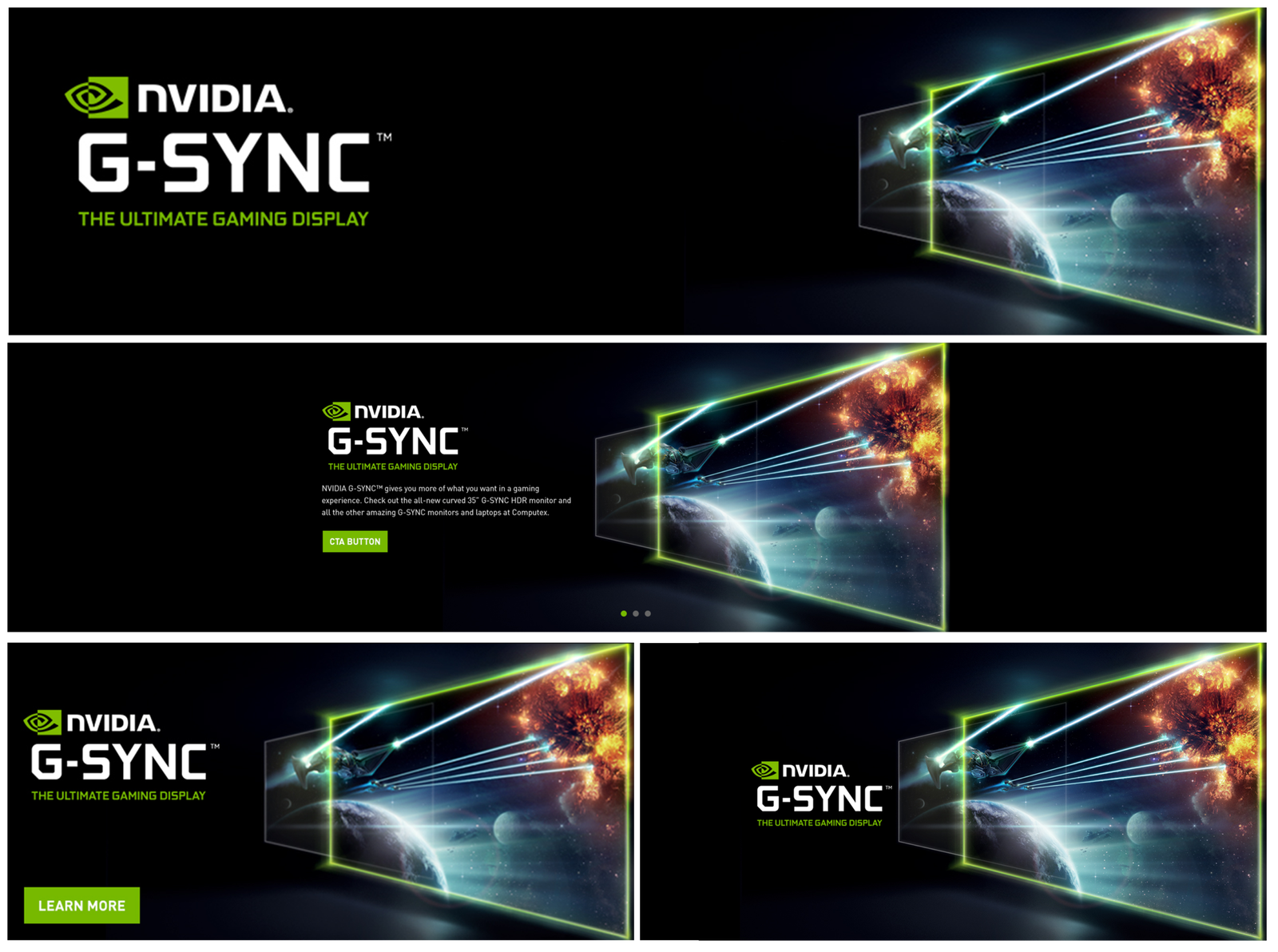
I adapted campaign messaging, imagery and visual direction across email, site skins, display advertising and gaming-partnership promotions. These assets demonstrated how the design system could scale across different dimensions and channels while maintaining a consistent campaign narrative.

01 — GeForce GTX Battlebox

02 — Destiny 2

03 — Rocket League

04 — G-SYNC

05 — GeForce GTX 10 Series: Gaming Perfected

06 — Tekken 7

© 2026 iamserj.com | Made with ♥ in California.