CASE STUDY
Mobilogix
Designing a 0→1 Connected Motorcycle Tracking Experience
Led end-to-end product design for an iOS app connected to the MT4200 motorcycle tracker, enabling owners to locate and track their motorcycle, review location history, and remotely enable or disable the engine.
01 - CONTEXT
Connecting Motorcycle Owners to Their Bike
Mobilogix was a 0→1 connected motorcycle product designed to give owners greater visibility and control over their bike from an iOS app.
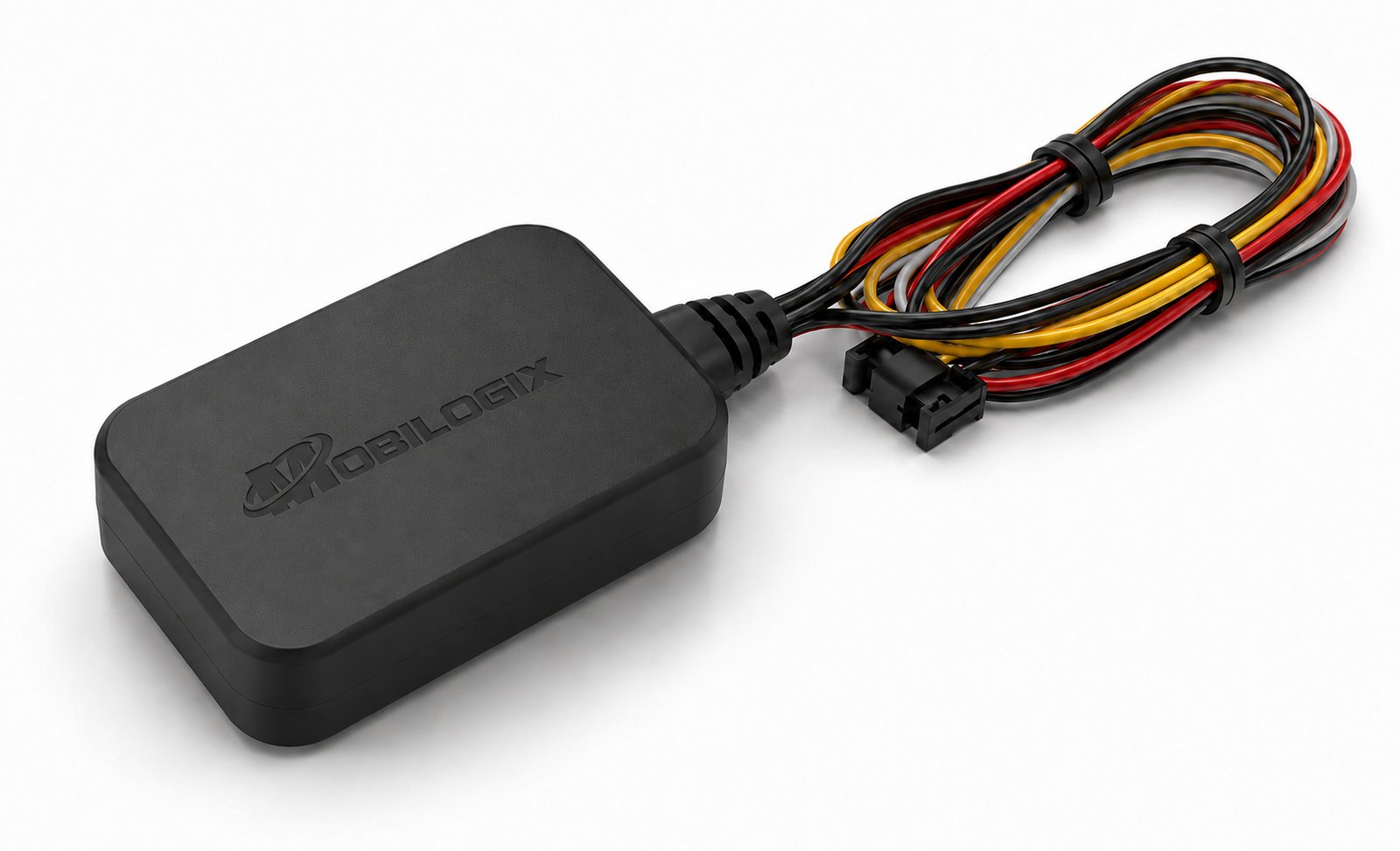
The experience paired with the MT4200 motorcycle tracker, which connected the physical motorcycle to the Mobilogix platform through GPS and cellular data.
The app centered around three connected areas of the ownership experience:
Locate
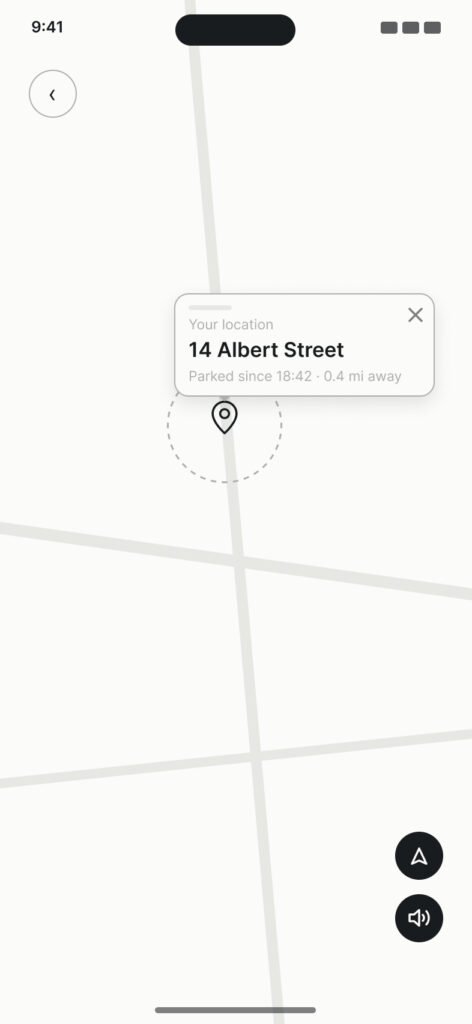
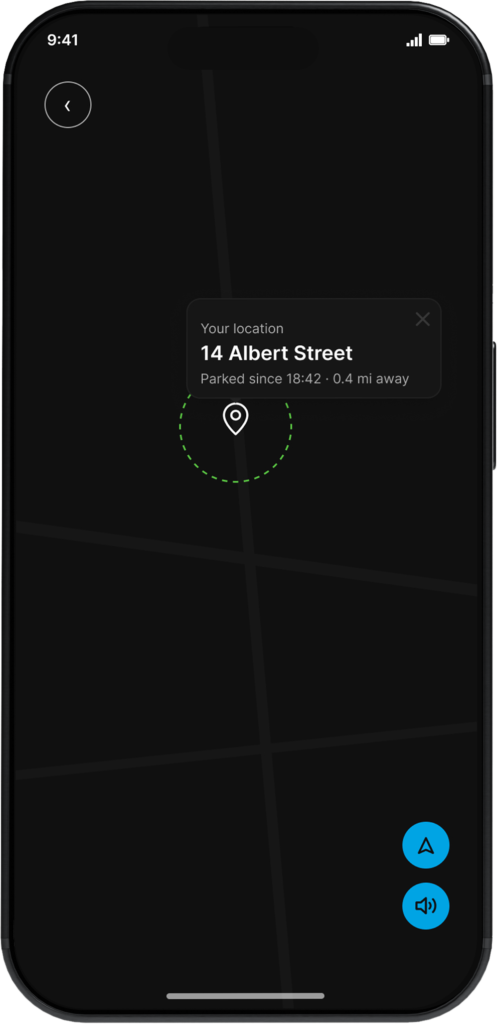
Real-time GPS location
Motorcycle location status
Map-based vehicle view
Track
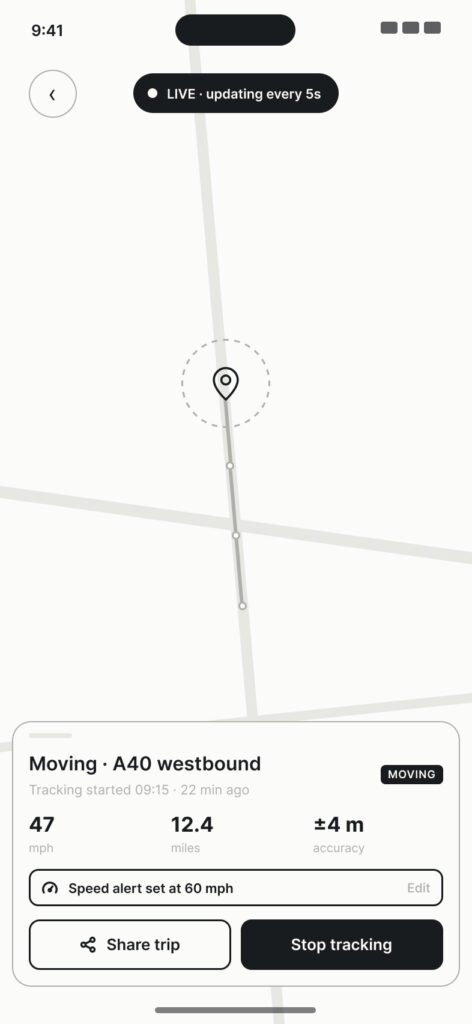
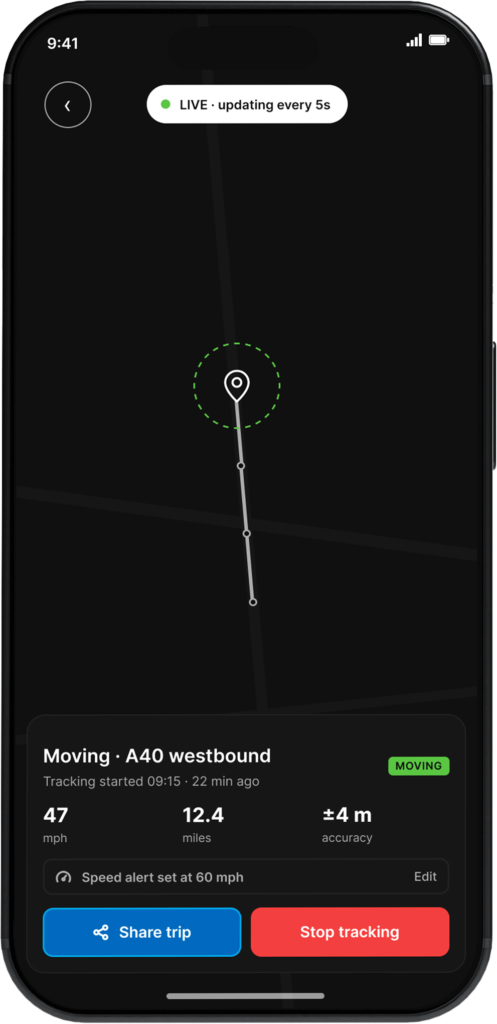
Live motorcycle tracking
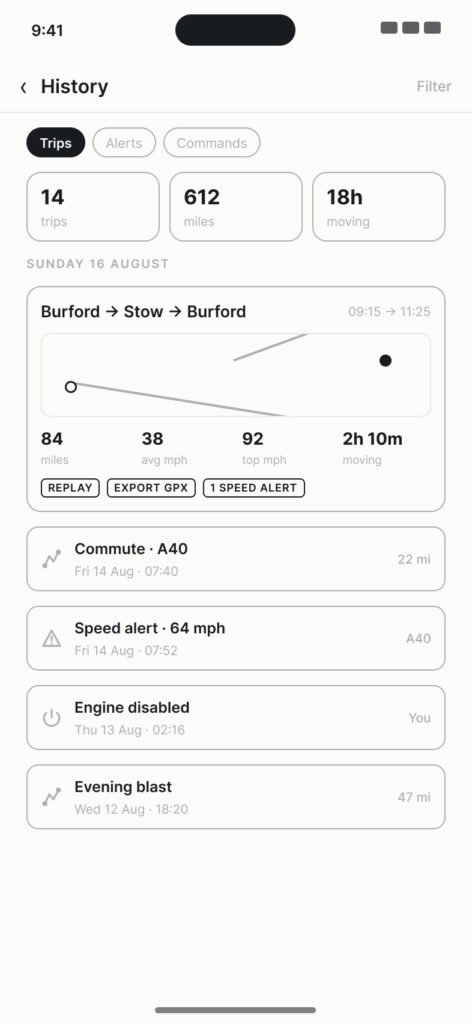
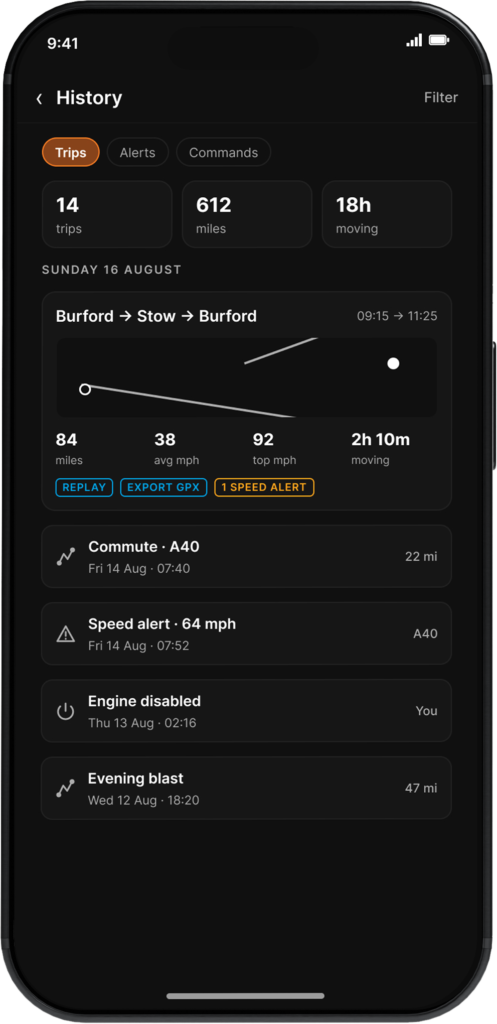
Location history
Previous trip activity
Act remotely
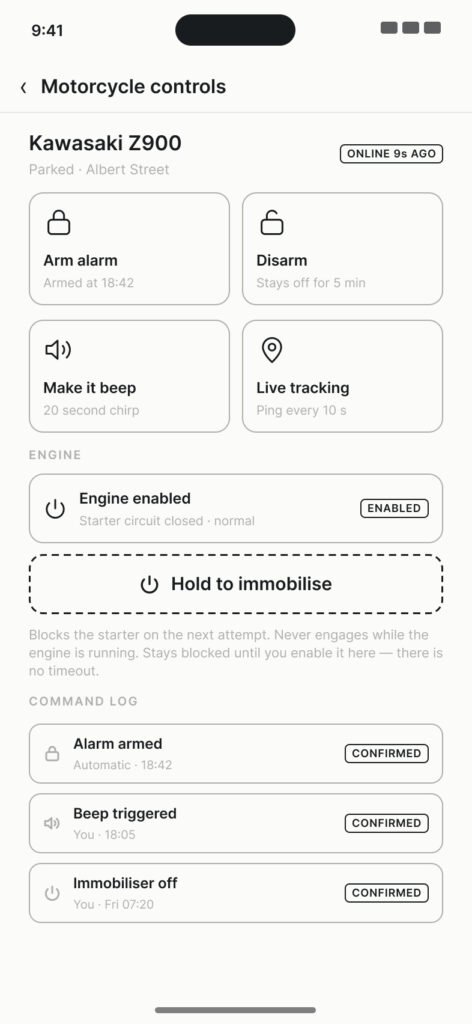
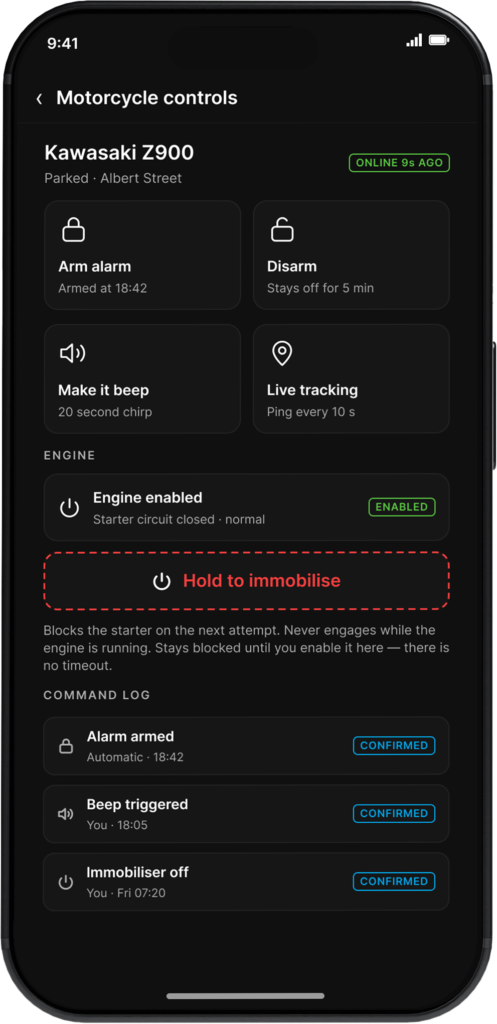
Engine enable
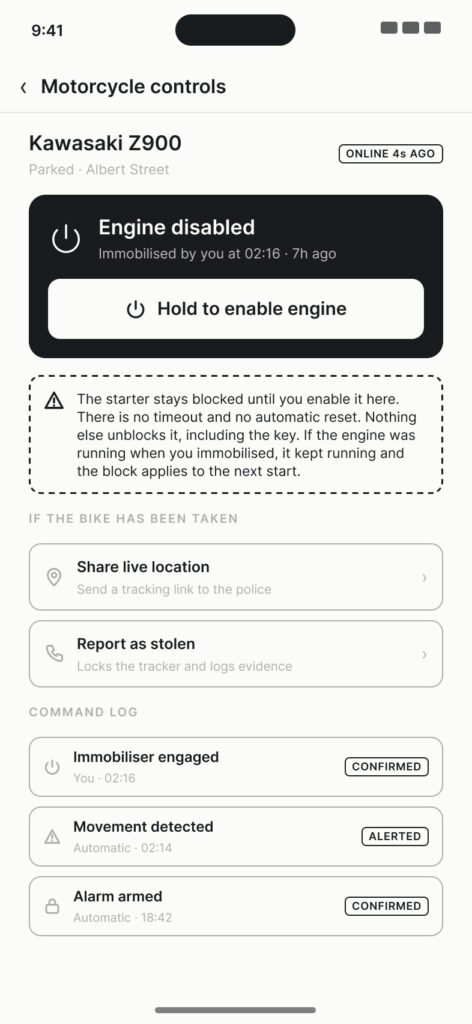
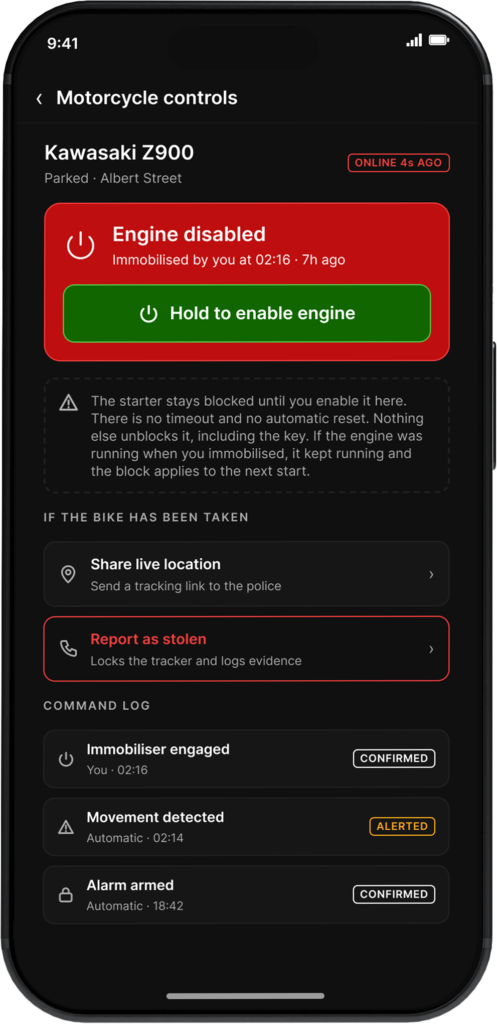
Engine disable
As the sole UI/UX Designer, I was responsible for defining the product experience from early requirements through UX flows, wireframes, interface design, prototyping, reusable components, and production handoff.
02 - CHALLENGE
Making Connected Vehicle Technology Feel Simple
The Core User Questions
- Where is my motorcycle?
- Is it moving?
- Where has it been?
- Can I remotely control the engine if needed?
Because Mobilogix was being created from the ground up, there was no established product experience to inherit. The information architecture, navigation, interaction patterns, visual language, and connected-device behaviors all needed to be defined.
The additional challenge was designing interactions such as Engine Enable / Disable, where an action performed inside the app could affect the physical motorcycle.
03 - APPROACH
Designing Around User Intent
Rather than organizing the experience around technical system capabilities, I structured the product around the motorcycle owner’s primary tasks.
Location became the foundation of the experience.
From there, users could move naturally between locating their motorcycle, tracking current movement, reviewing previous activity, and accessing remote engine controls.
I focused on:
- Making current motorcycle location immediately accessible
- Keeping map-based interactions consistent across Locate, Track, and History
- Creating clear navigation between core tasks
- Reducing unnecessary technical information
- Designing understandable states for connected-device actions
- Creating reusable patterns that could scale as the product evolved
This task-first structure helped translate a technically complex connected system into a focused mobile experience.
04 - PROCESS
From Requirements to Product Experience
As the sole UI/UX Designer, I worked directly with the CTO and app developer to translate the capabilities of the MT4200 into an intuitive iOS experience.
My process included:
- Translating product requirements into UX flows
- Defining information architecture
- Mapping core user journeys
- Creating low-fidelity wireframes
- Establishing navigation and interaction patterns
- Designing the visual direction and color system
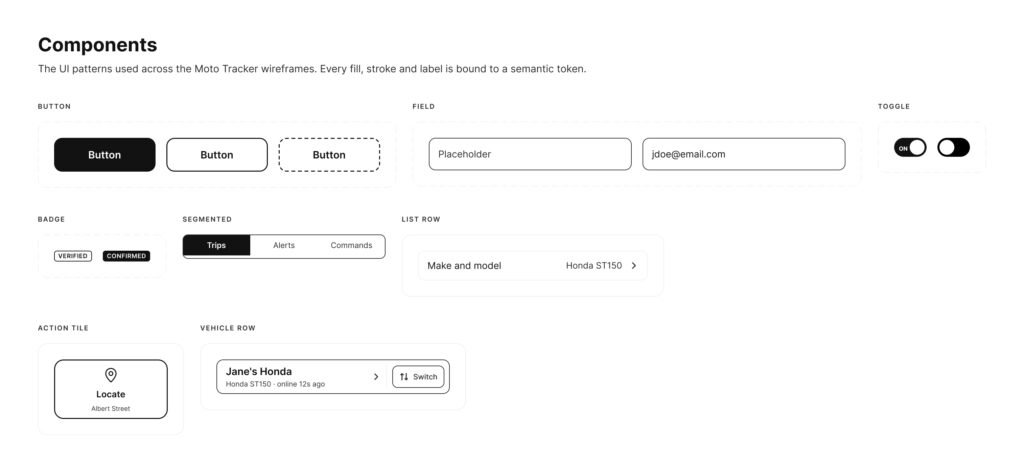
- Building reusable UI components
- Creating high-fidelity interface designs
- Prototyping key interactions and states
- Collaborating with development through production handoff
Because the product connected software to a physical motorcycle, interaction states and system feedback were particularly important throughout the design process.
05 - WIREFRAMES
Defining the Core Connected Experience
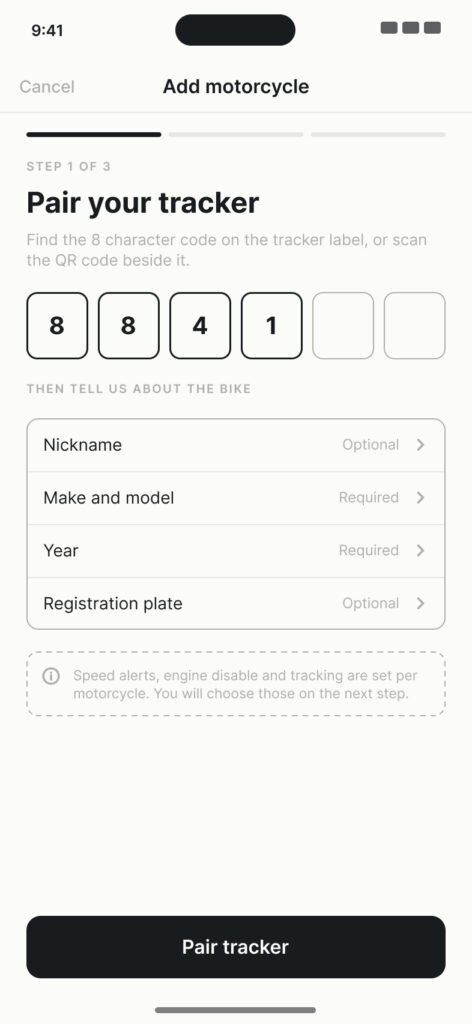
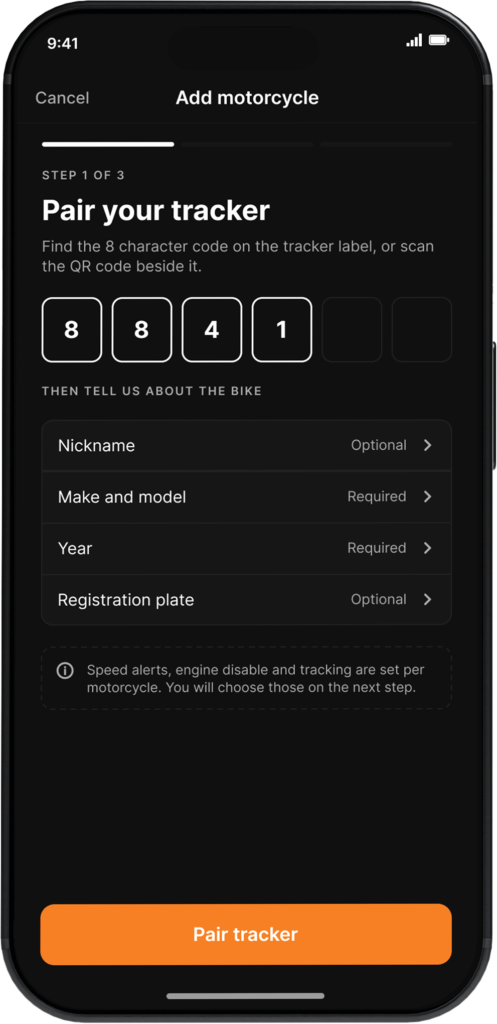
Before moving into high-fidelity UI, I mapped the primary workflows required to connect the tracker, access the motorcycle, monitor location, review activity, and control the engine remotely.
The wireframes helped establish navigation, information hierarchy, map behavior, connected-device states, and the relationship between the product’s four core capabilities.
01 — Pair Tracker
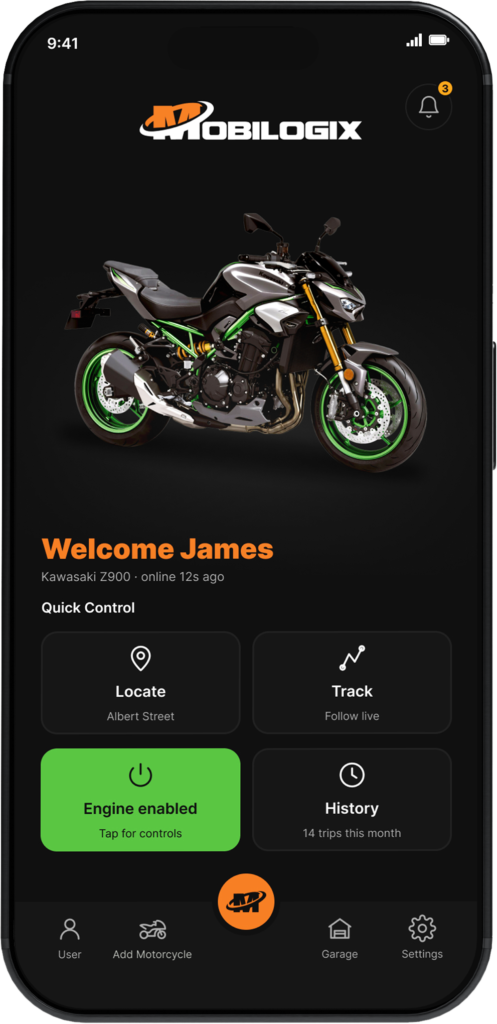
02 — Home
03 — Locate
04 — Track
05 — Engine Control
06 — Engine Disabled
07 — History
06 - SOLUTION
Turning Connected Hardware Into a Simple iOS Experience
The final Mobilogix experience connected the physical motorcycle, MT4200 tracker, and iOS app within one product ecosystem.
Instead of requiring users to understand how the underlying tracking technology worked, the interface translated connected vehicle data into four simple actions:
Locate. Track. Review History. Control the Engine.
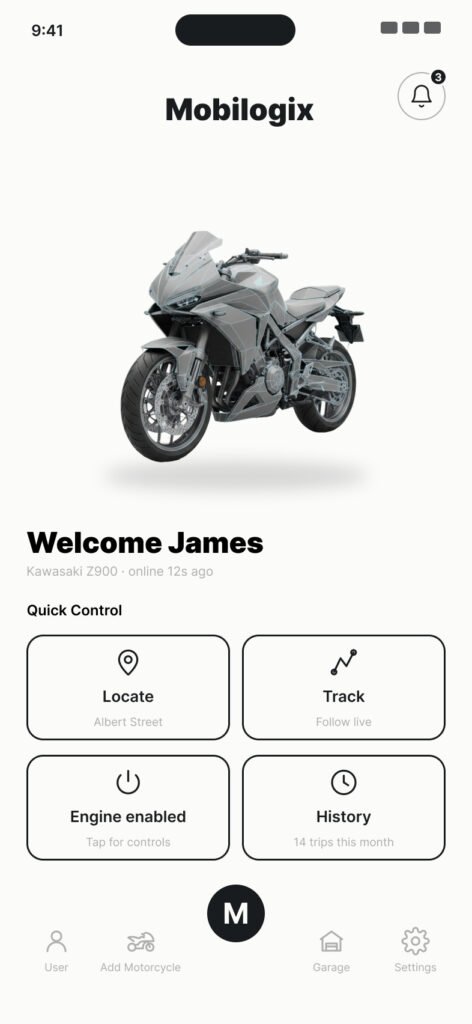
The final interface used a consistent map-based experience, clear motorcycle status information, reusable interaction patterns, and prominent controls for the tasks owners were most likely to perform.
01 — Pair Tracker
02 — Home
03 — Locate
04 — Track
05 — Engine Control
06 — Engine Disabled
07 — History
07 - DESIGN SYSTEM
Creating the Product Language From the Ground Up
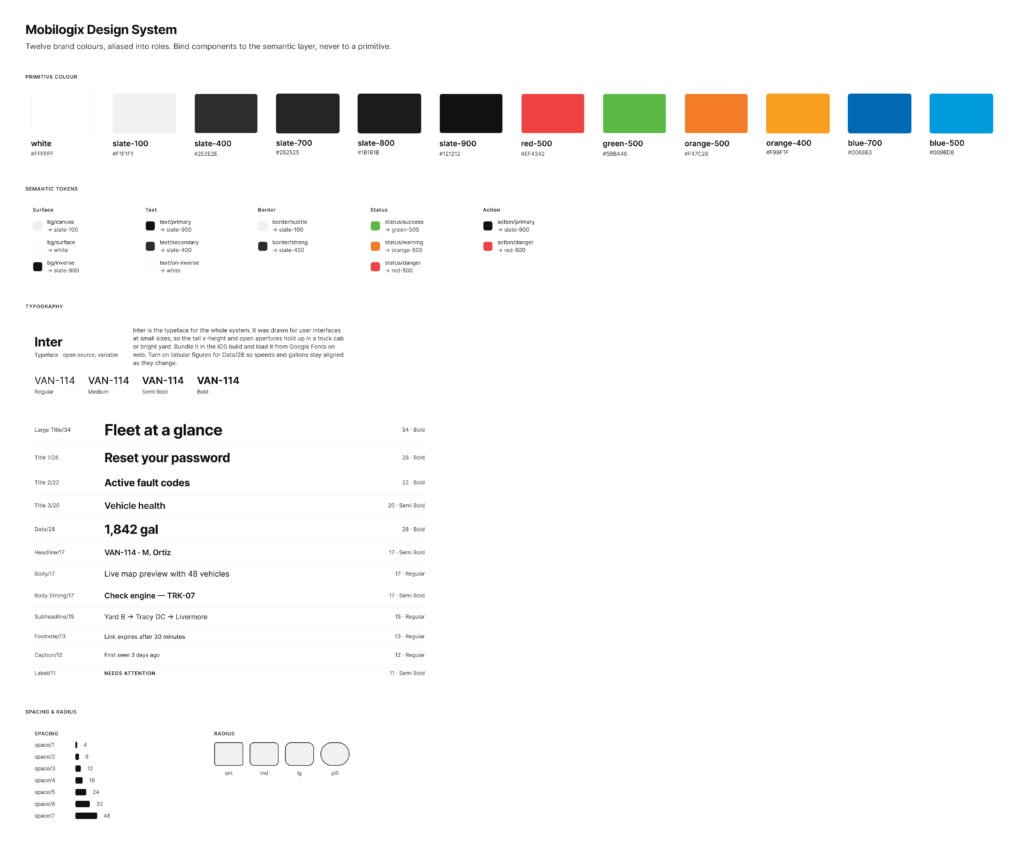
- Color
- Typography
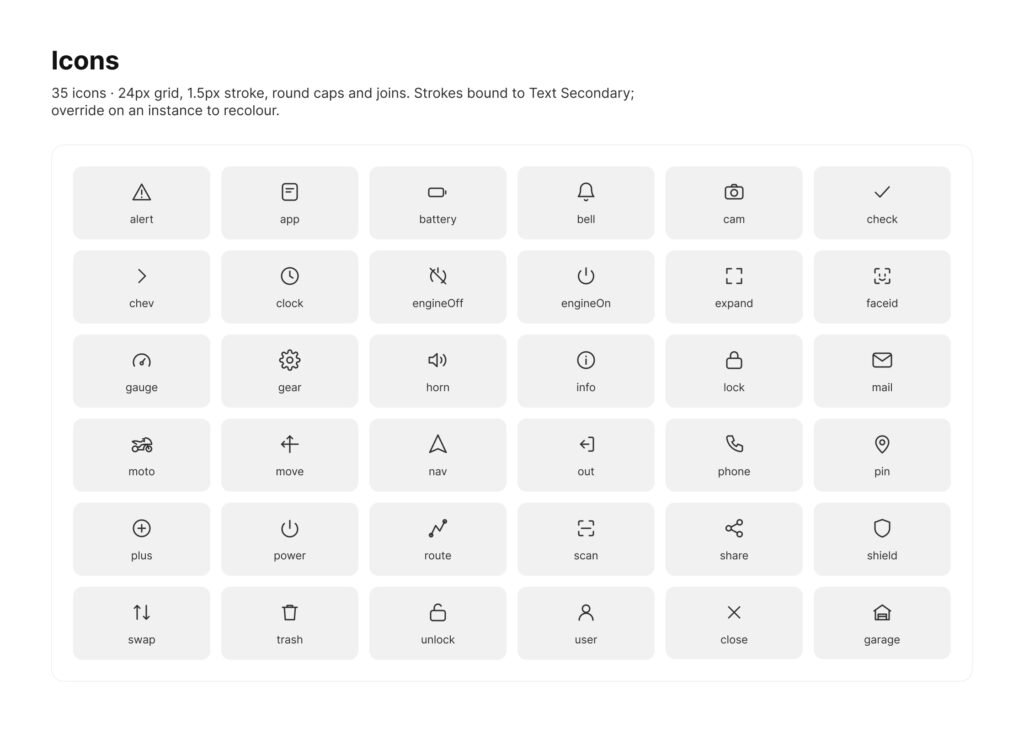
- Iconography
- Design tokens
- Spacing
- Buttons
- Navigation
- Reusable UI components
07.1 — Design System
07.2 — Components
07.3 — Icongraphy
08 - IMPACT
From 0→1 Product to Acquisition
0→1 Product
Designed the experience from initial product vision through production.
Launched
Outcome
Mobilogix, along with its technology and connected products, was sold.
09 - REFLECTION
Designing Beyond the Screen
Design around user intent, not technology.
Connected products require clear system feedback.
0→1 design requires systems thinking.
Close engineering collaboration was essential.
The product created lasting business value.
Mobilogix progressed from concept to a functioning connected product, and the company and its products were ultimately sold.