CASE STUDY · VISUAL DESIGN · CAMPAIGNS

NVIDIA GeForce

Four very different pages, one recognizable system, extended into campaigns.
Role Visual Designer
Timeline April—June 2017 • 3 Months
Company NVIDIA
Team Art Director, Project Manager, Full-Stack Developer, Copywriter

THE PROBLEM

Apply a mature GeForce system to pages with very different jobs, and explain technical benefits clearly to gamers.

WHAT I OWNED

UI and visual design, responsive layouts and production assets, plus campaign extensions to email, site skins and banners.

THE OUTCOME

4 web experiences and 6 campaign pieces in 3 months, each distinct but recognizably GeForce.

01 — CONTEXT

NVIDIA GeForce

I designed responsive web experiences across NVIDIA’s GeForce ecosystem, including the GeForce Homepage, the GeForce Experience Support & FAQ page, the GTX 1080 Ti launch page, and the System Requirements page.

Each page served a distinct user need: discovering products and software, exploring a flagship graphics card, or confirming hardware compatibility. Across all of them, I focused on clear content hierarchy, compelling product storytelling, and consistent responsive behavior on desktop, tablet, and mobile.

Working within NVIDIA’s established design system and page framework, I applied and extended existing patterns to new product, launch, and technical content, keeping the experience cohesive across the GeForce brand.

I also carried the visual direction into campaign materials, including email, site skins, display ads, and gaming partner promotions.

02 — CHALLENGE

Complexity Across Experiences

Four pages with very different jobs, one established system, and three screen sizes to design for each.

01 — One Brand, Four Jobs

The homepage, support page, launch page and specs page each needed their own purpose without feeling like separate sites.

02 — Dense Technical Content

Specs, requirements and performance claims had to stay accurate while still being easy for gamers to scan.

03 — Many Paths, Many Users

Visitors arrived looking for products, drivers, answers or compatibility, and each needed a clear next step.

04 — Three Screens, No Shortcuts

Rich imagery and wide spec tables had to work on a phone without becoming a scaled-down desktop page.

03 — KEY DECISIONS

Designing within the system

01

Spend the time on hierarchy

With no wireframing phase, I put my effort into composition and choosing the right existing pattern for each page’s job.

02

Design each breakpoint on purpose

Desktop, tablet and mobile each got deliberate layouts, not a scaled-down desktop.

03

Distinct, but clearly GeForce

Each page got its own character through imagery and composition, while shared components kept the family together.

04 — SOLUTION

Flexible, Branded Experiences

A consistent responsive approach that reuses NVIDIA components and content patterns, with layouts and imagery adapted for each breakpoint. The same visual language then carried into the campaign materials.

05 — SELECTED WORK

NVIDIA Experiences

Four responsive experiences designed to support product discovery, software education, flagship product storytelling, and technical compatibility across desktop, tablet, and mobile.

EXPERIENCE 01 — FINAL UI

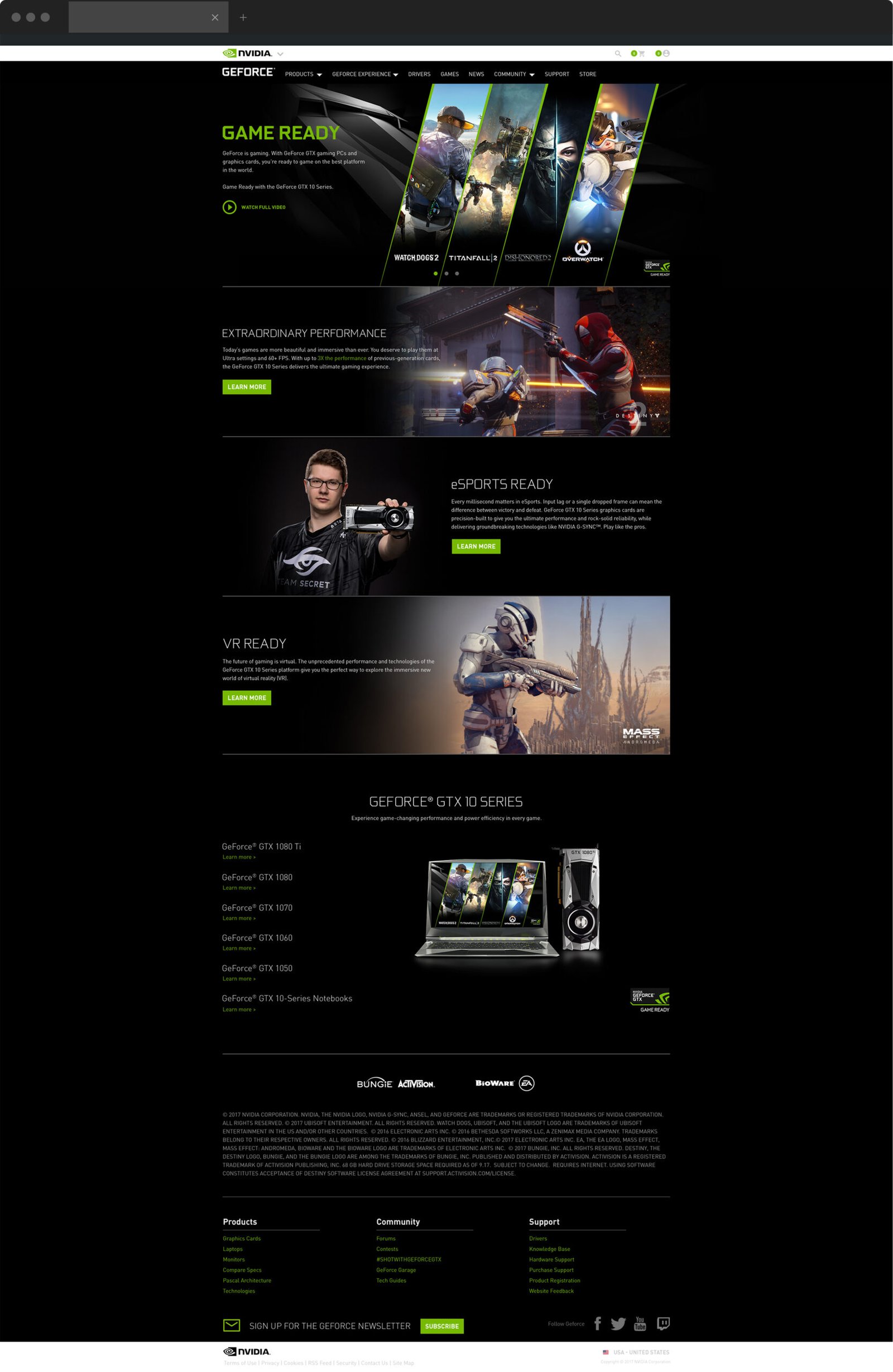
GeForce Homepage

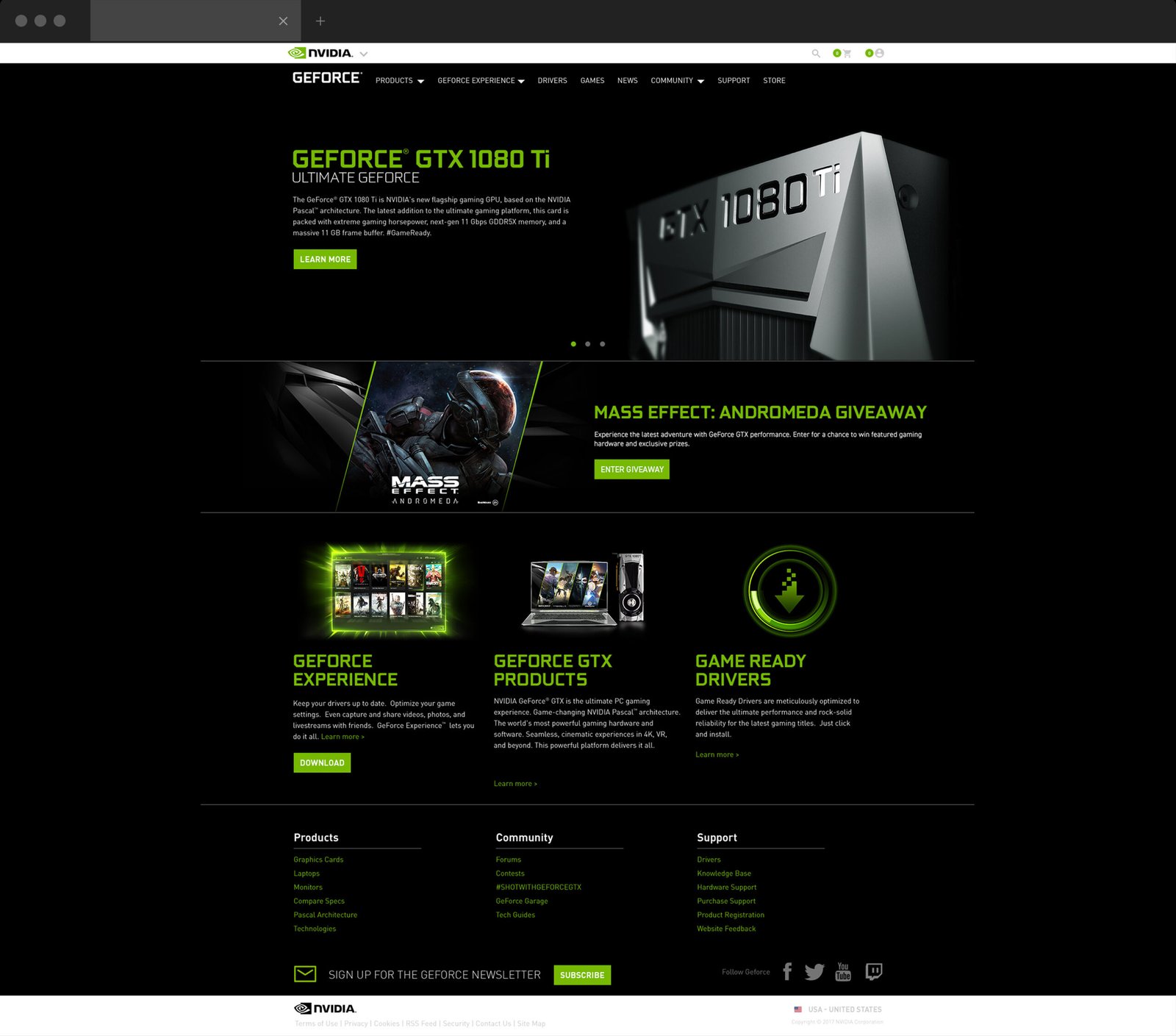
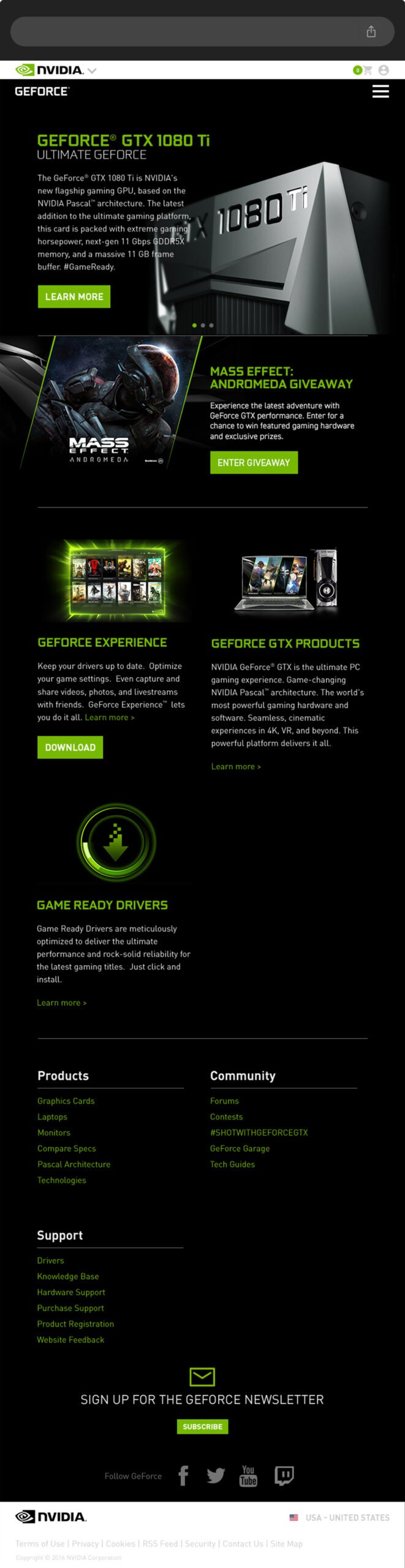
I designed a responsive GeForce homepage that organized product, gaming, driver, and promotional content into clear user pathways. The experience balanced campaign storytelling with discoverability, helping users move toward relevant products, downloads, and supporting resources across desktop, tablet, and mobile.

Key decision:

I led with one hero campaign and grouped everything else into clear product, driver and game pathways, so promotion didn’t bury navigation.

Desktop

Tablet

Mobile

EXPERIENCE 02 — FINAL UI

GeForce Experience Support & FAQ Page

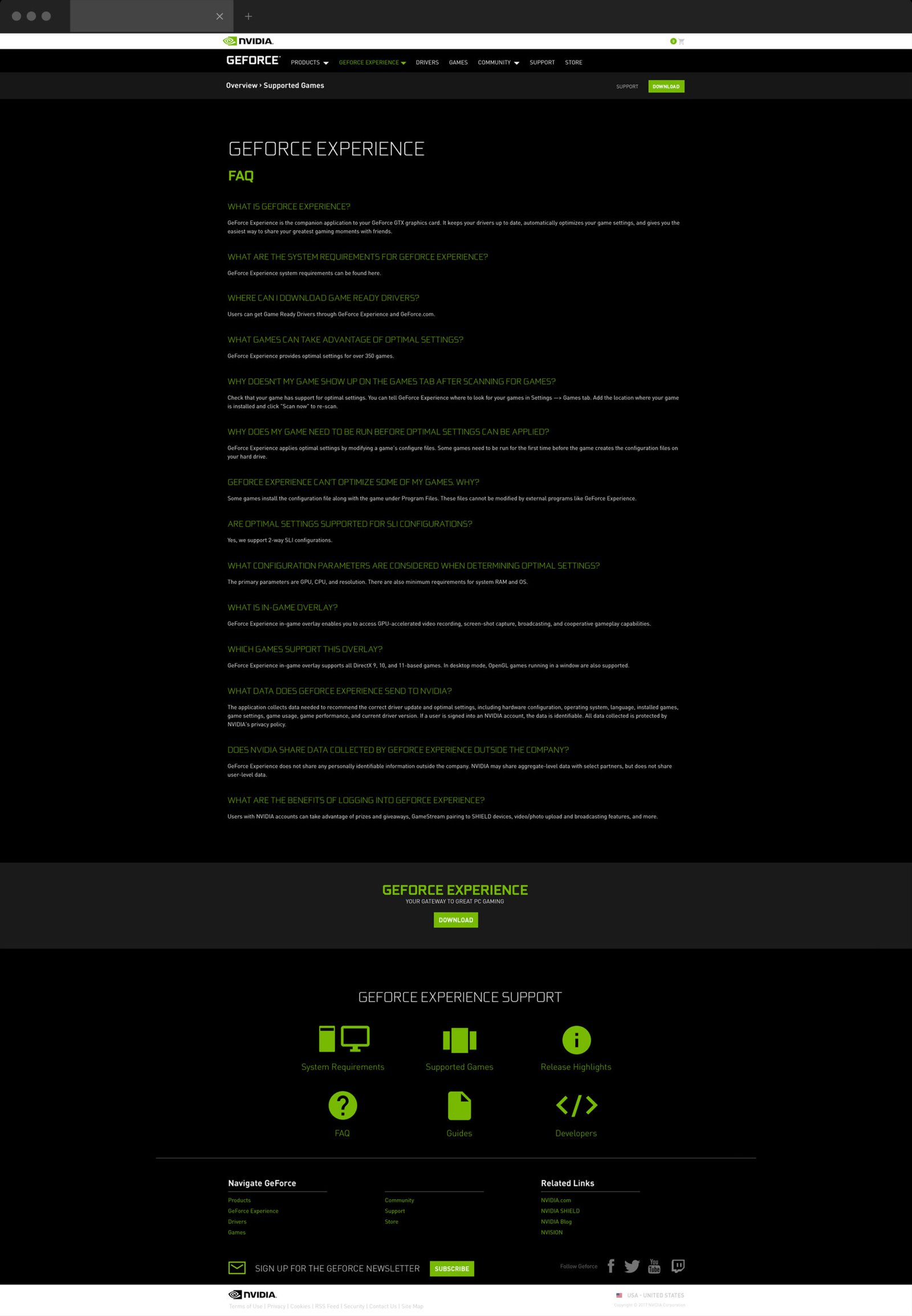
I designed the responsive GeForce Experience Support and FAQ page to organize software requirements, compatibility information, common questions, and support resources in a clear, scannable format. The layout helped users locate answers, review supported features, and access downloads or additional support across desktop, tablet, and mobile.

Key decision:

I put system requirements and the download first, then grouped FAQs by topic, because most visitors arrive with one specific question.

Desktop

Tablet

Mobile

EXPERIENCE 03 — FINAL UI

GeForce GTX 1080 Ti

I designed a responsive launch experience for the GeForce GTX 1080 Ti, combining premium product imagery, performance-focused messaging, technical information, and clear calls to action. The visual direction positioned the graphics card as a flagship product while keeping complex hardware benefits accessible to gaming audiences.

Key decision:

I paired each performance claim with a single visual or figure, keeping the premium feel while making benefits easy to grasp.

Desktop

Tablet

Mobile

EXPERIENCE 04 — FINAL UI

GeForce System Requirements

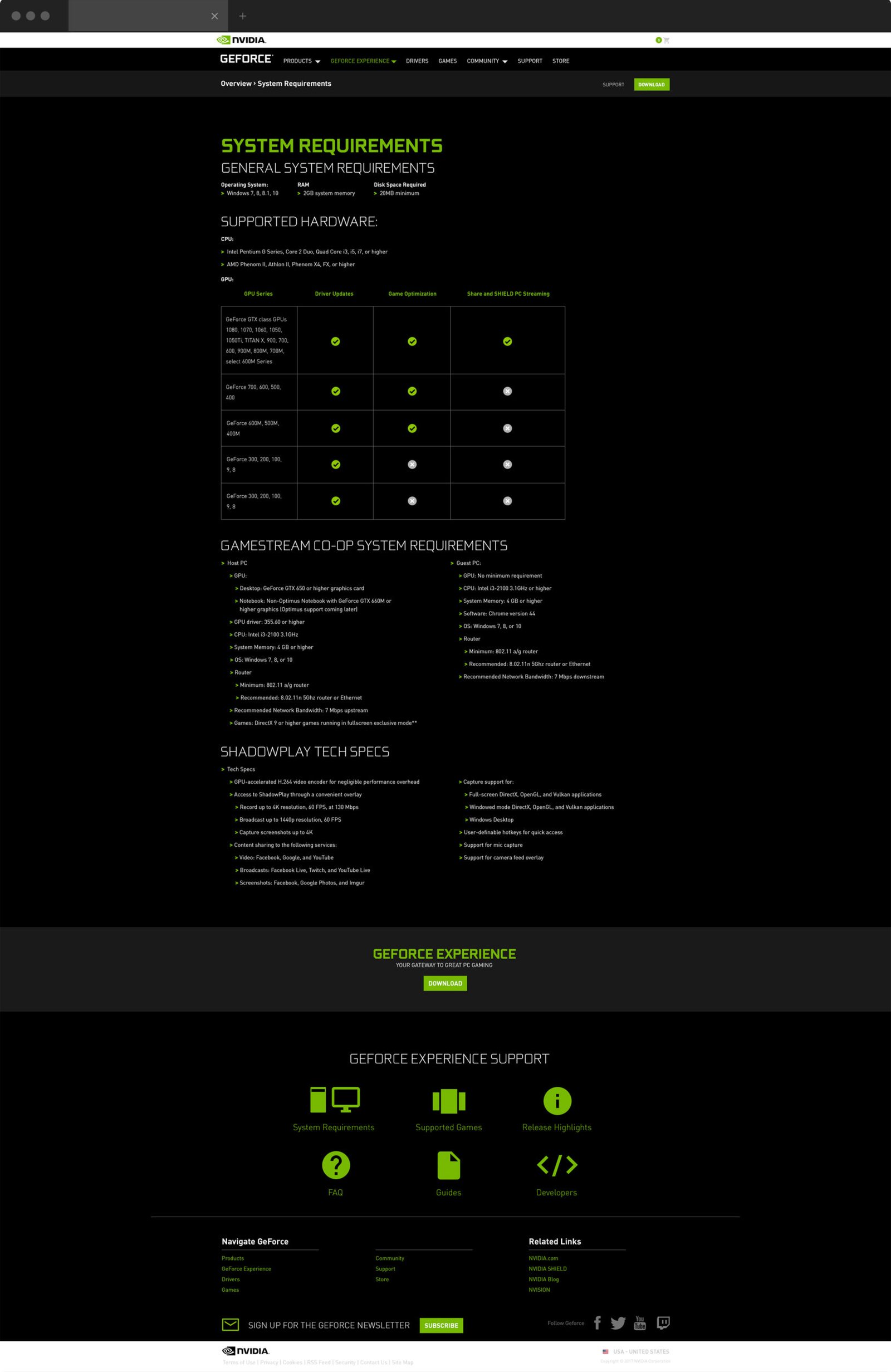
I designed the responsive GeForce System Requirements page to help users quickly understand hardware compatibility and recommended specifications. I organized technical information around clear visual hierarchy, readability, and responsive behavior so users could review requirements across devices without unnecessary complexity.

Key decision:

On mobile, I turned wide spec tables into stacked cards, so users could check compatibility without scrolling sideways.

Desktop

Tablet

Mobile

06 — SCALE & DELIVERY

Built for Scale

Four responsive pages and six campaign pieces delivered in three months, from the GeForce homepage to partner retail sites.

01 — WEB EXPERIENCES

4 Responsive Pages

Homepage, support, launch and technical pages, each designed for desktop, tablet and mobile.

02 — CAMPAIGNS

6 Campaign Pieces

Key art for Destiny 2, Rocket League, Tekken 7, G-SYNC, GTX 10 Series and Battlebox.

03 — PARTNER RETAIL

10+ System Builders

Battlebox site skins and banners for US and UK partner retailers.

04 — DESIGN SYSTEM

2 Product Tiers, 1 System

One visual language spanning Battlebox Essential (1080p) and Ultimate (4K + VR).

07 — CAMPAIGN EXTENSIONS

Beyond the Core Experience

The visual direction from the GeForce pages was also extended into supporting campaign touchpoints.

I adapted campaign messaging, imagery, and visual direction across email, site skins, display advertising, and gaming partnership promotions. These assets demonstrated how the design system could scale across different dimensions and channels while maintaining a consistent campaign narrative.

CAMPAIGN EXTENSIONS 01 — KEY ART

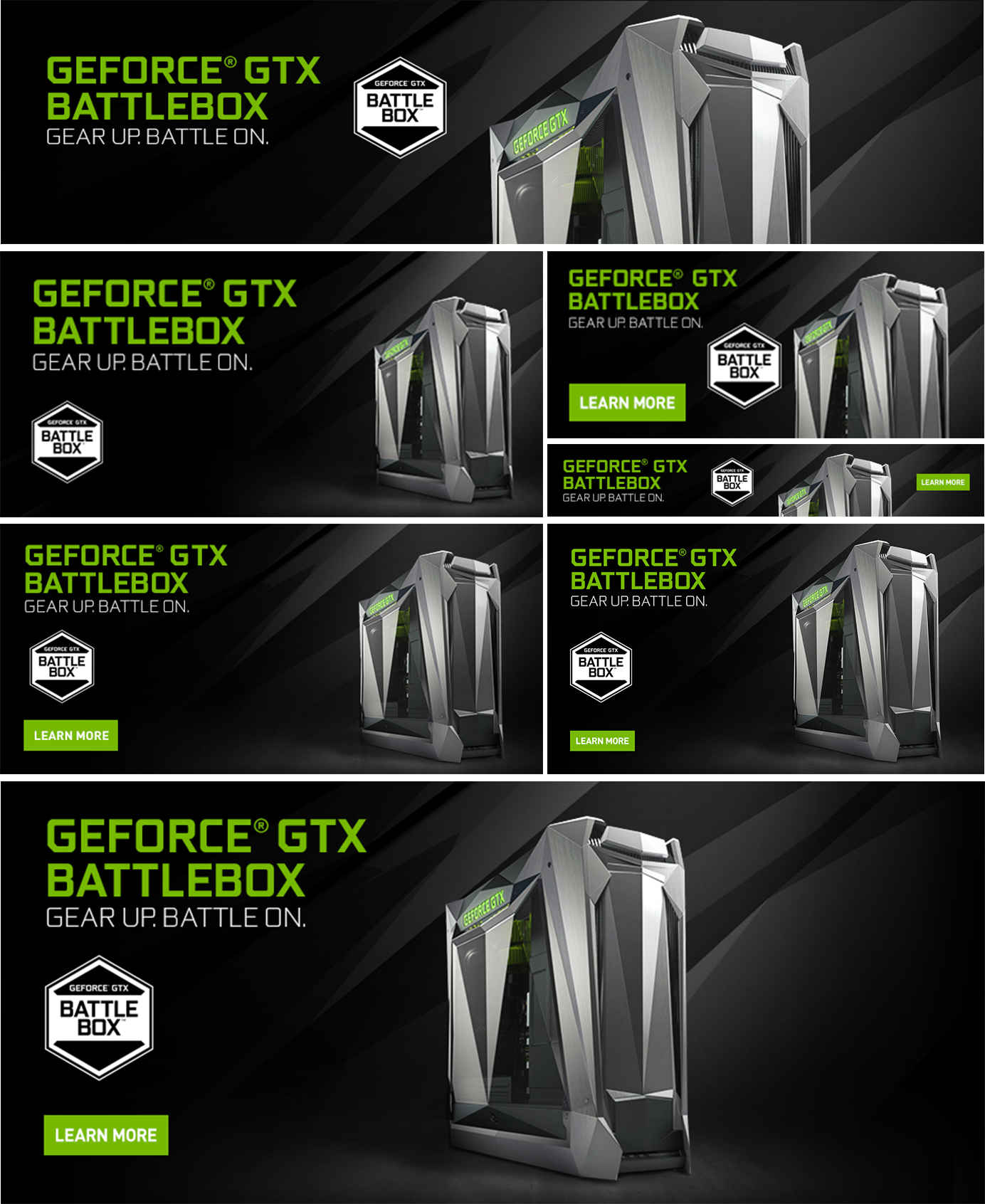
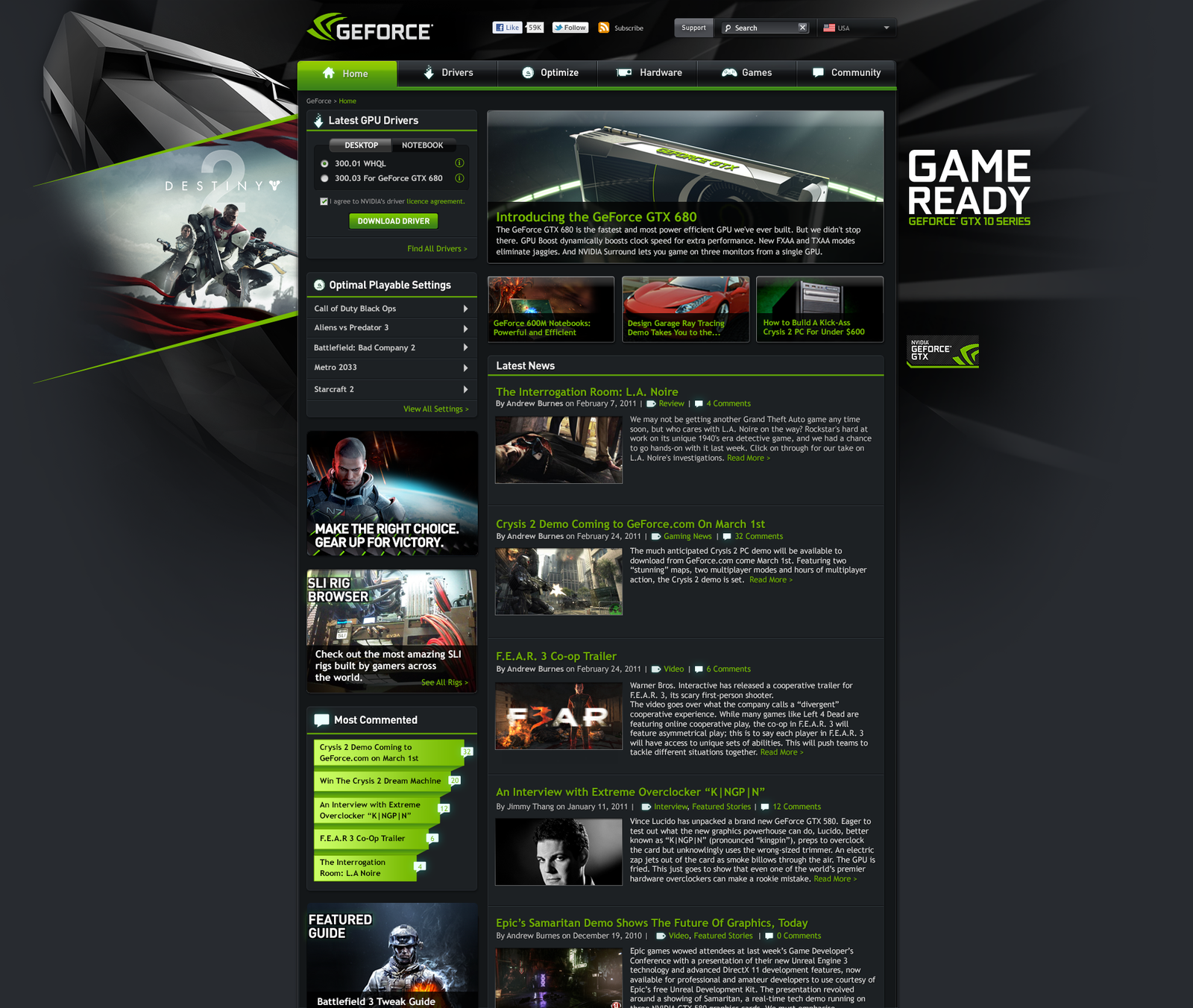
GeForce GTX Battlebox

GeForce GTX Battlebox​
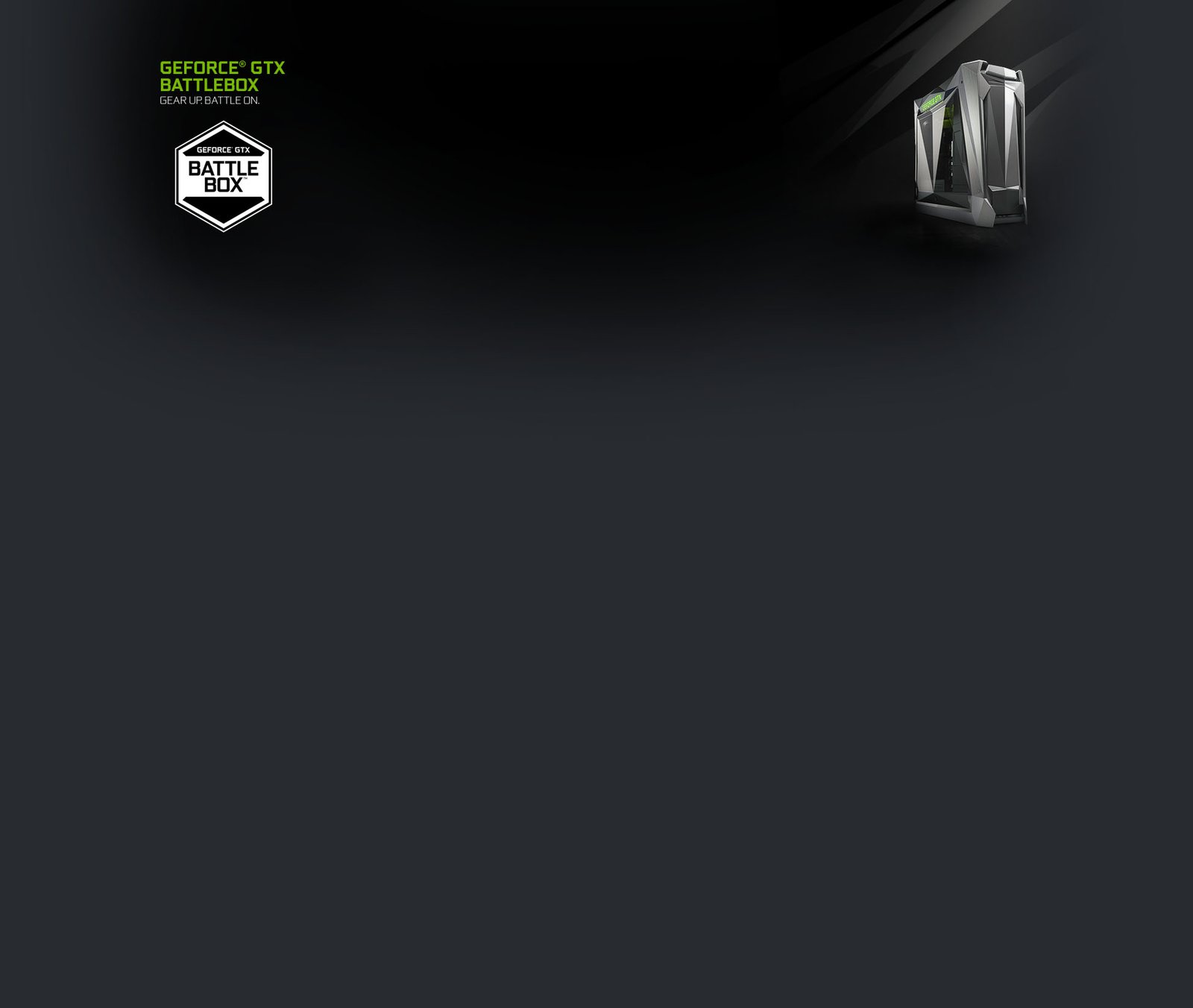
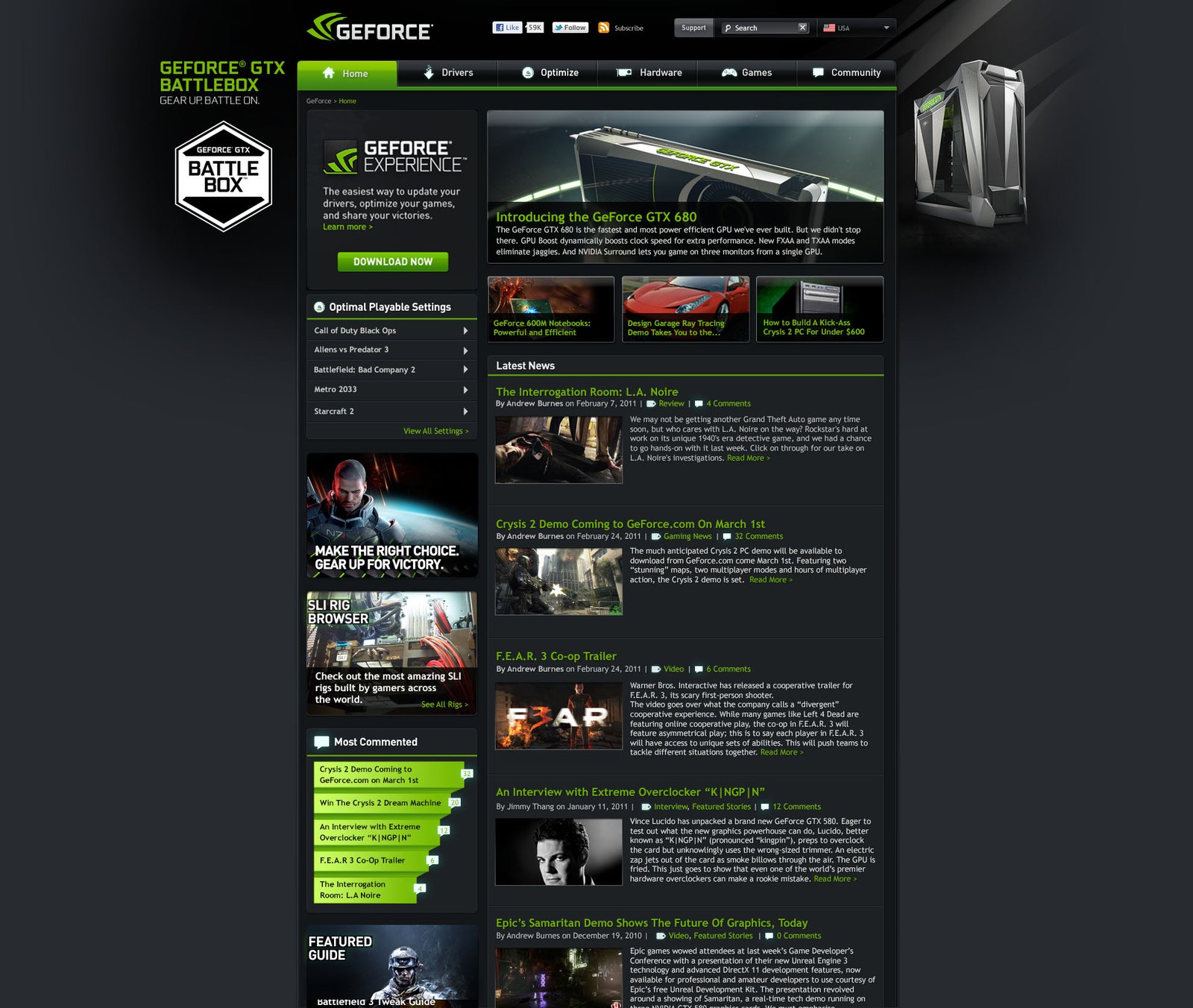
GeForce GTX Battlebox​ Siteskin Mockup

CAMPAIGN EXTENSIONS 02 — KEY ART

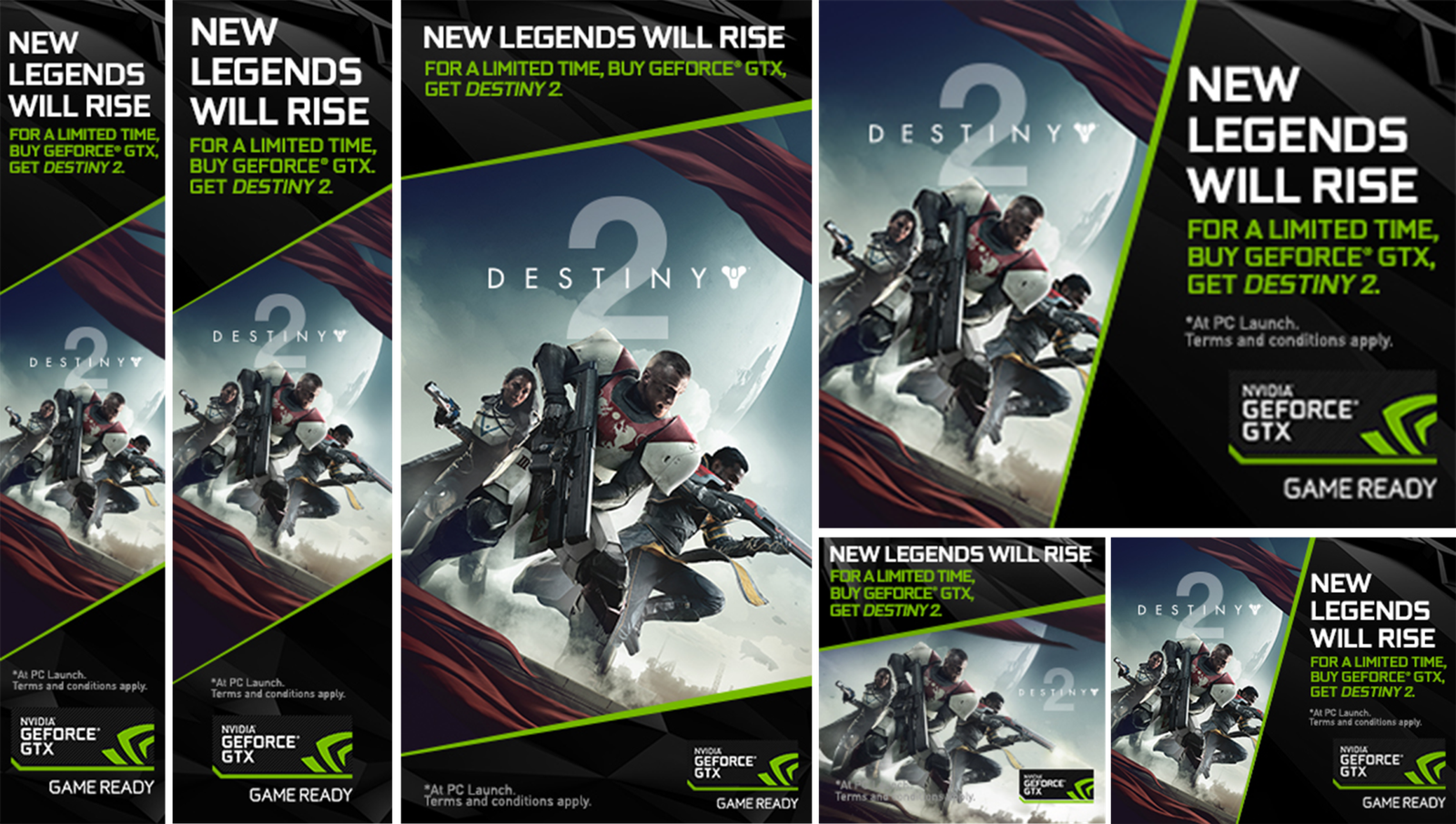
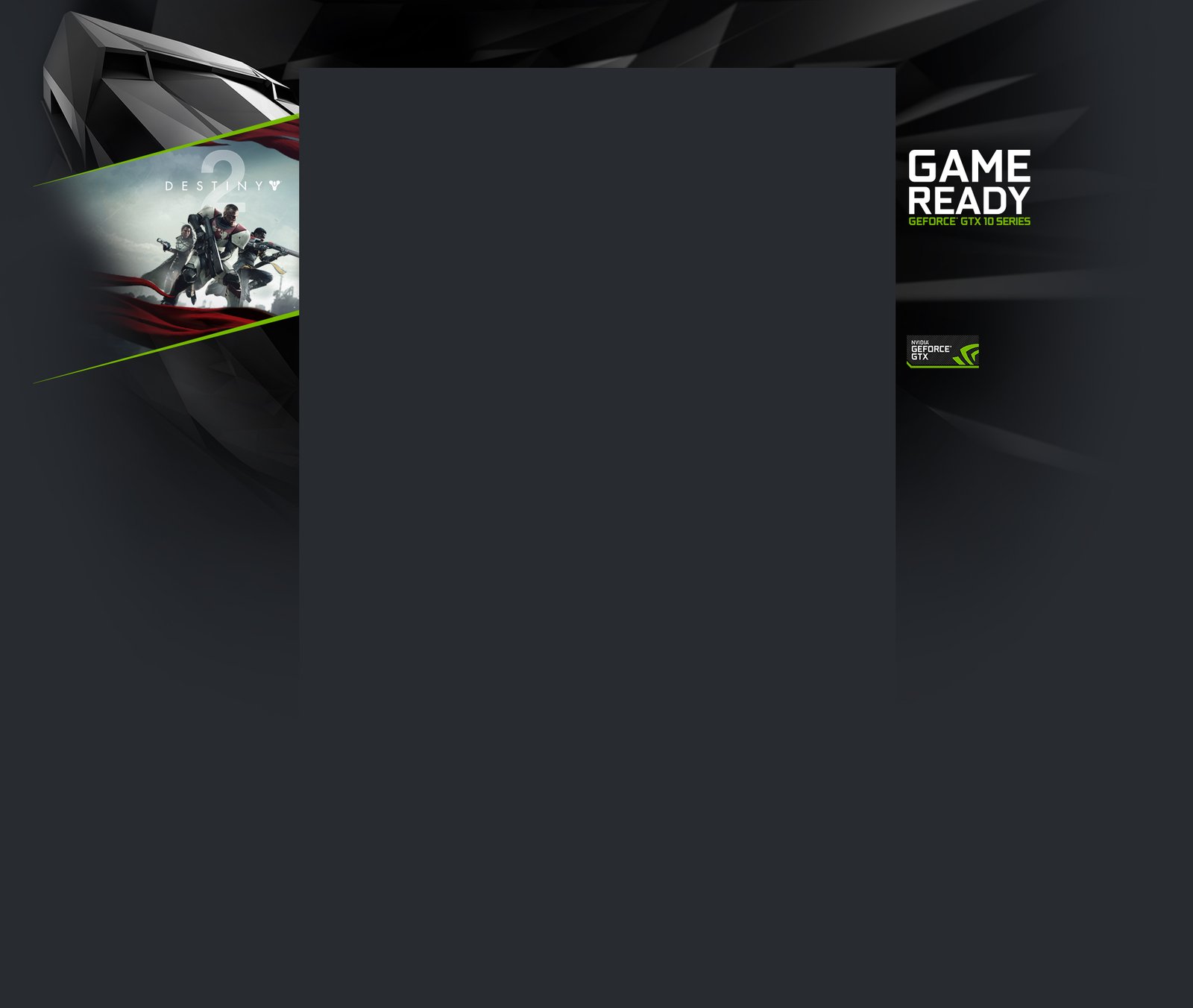
Destiny 2

Destiny 2​
Destiny 2 - Siteskin
Destiny 2 Siteskin Mockup

CAMPAIGN EXTENSIONS 03 — KEY ART

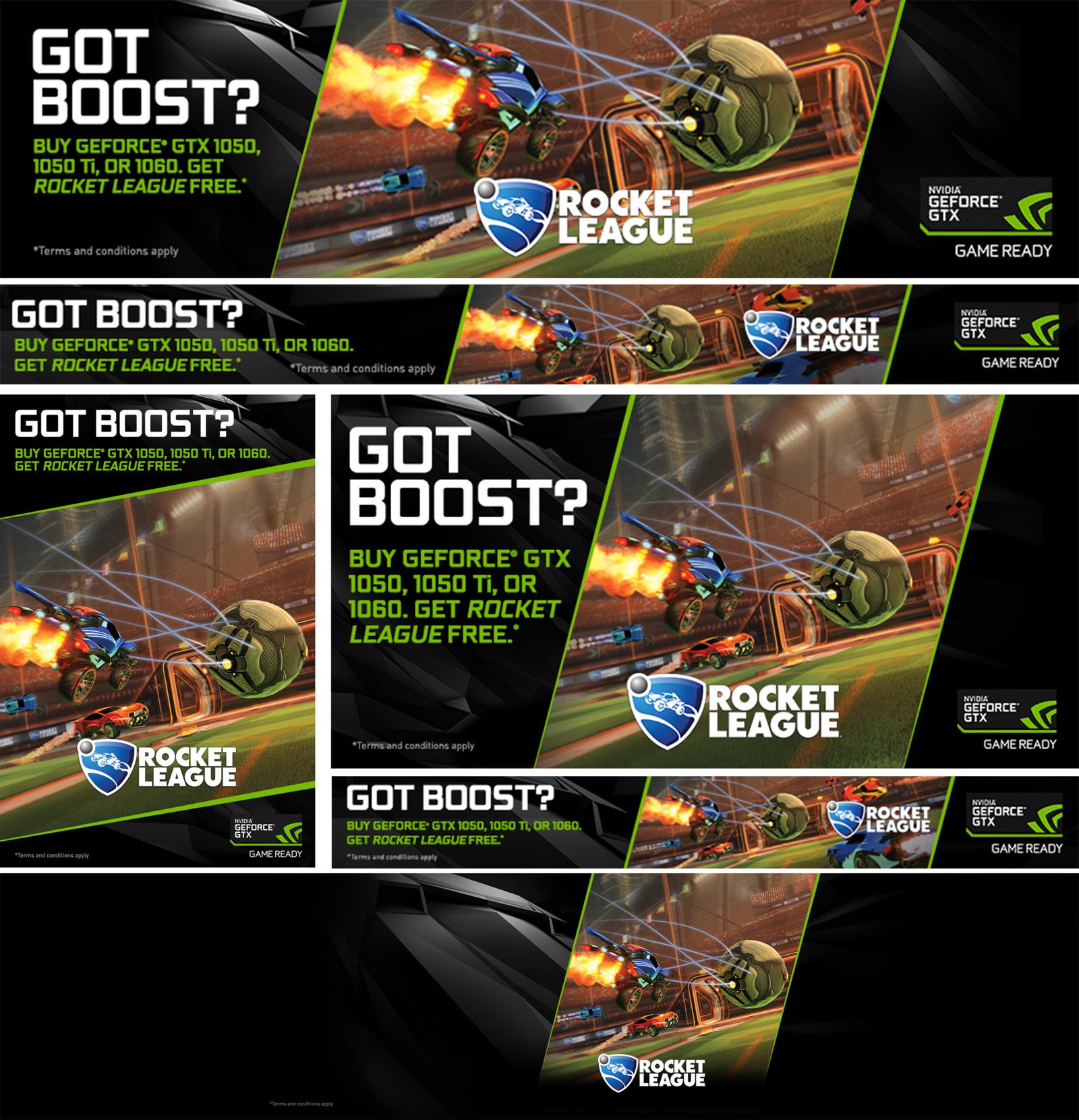
Rocket League

Rocket League​

CAMPAIGN EXTENSIONS 04 — KEY ART

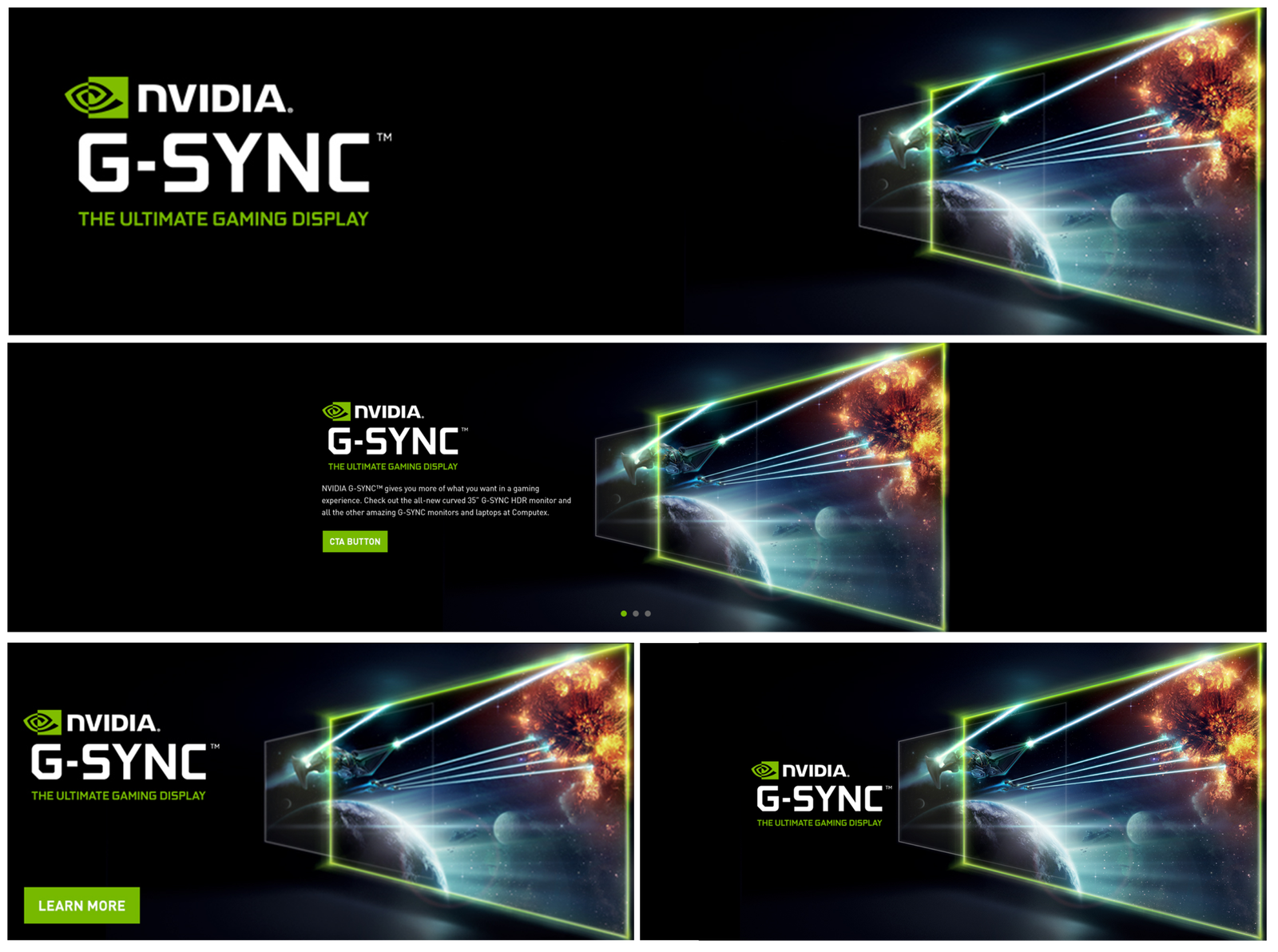
G-SYNC

G-SYNC​

CAMPAIGN EXTENSIONS 05 — KEY ART

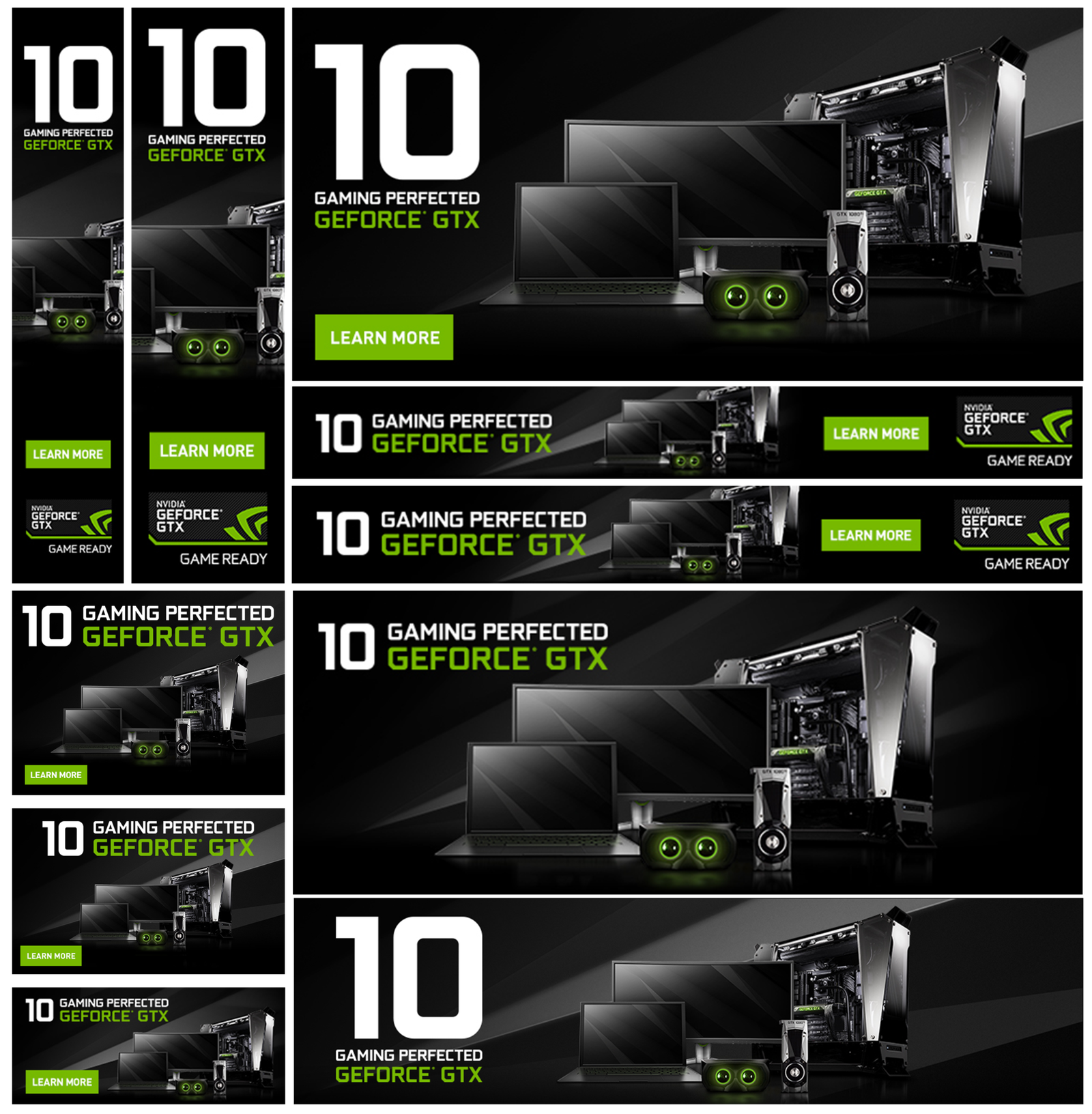
GeForce GTX 10 Series: Gaming Perfected

GeForce GTX 10 Series: Gaming Perfected

CAMPAIGN EXTENSIONS 06 — KEY ART

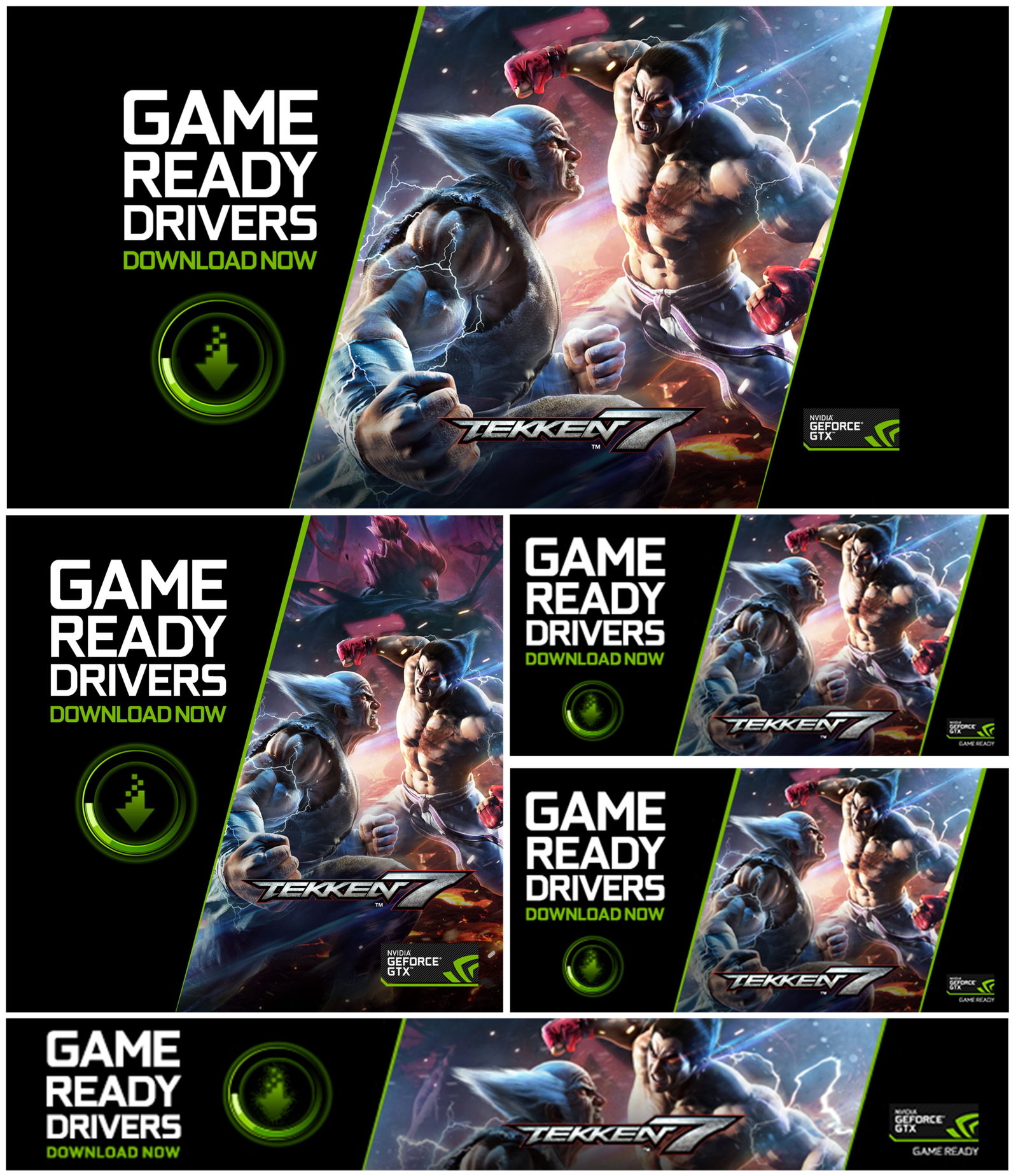
Tekken 7

Tekken 7

08 — REFLECTION

Key Learnings

What this project taught me about designing at brand scale.

Work Within the System

Extended NVIDIA’s design system to new pages without reinventing patterns.

Match Process to Problem

Focused effort on hierarchy, imagery and messaging, not redundant wireframes.

Design Every Breakpoint

Made deliberate choices for each screen size, not scaled-down desktop layouts.

What I’d Do Next

Validate key pages with users and track engagement to measure impact.

© 2026 Serj Khorozian — Made with ♥ in California.